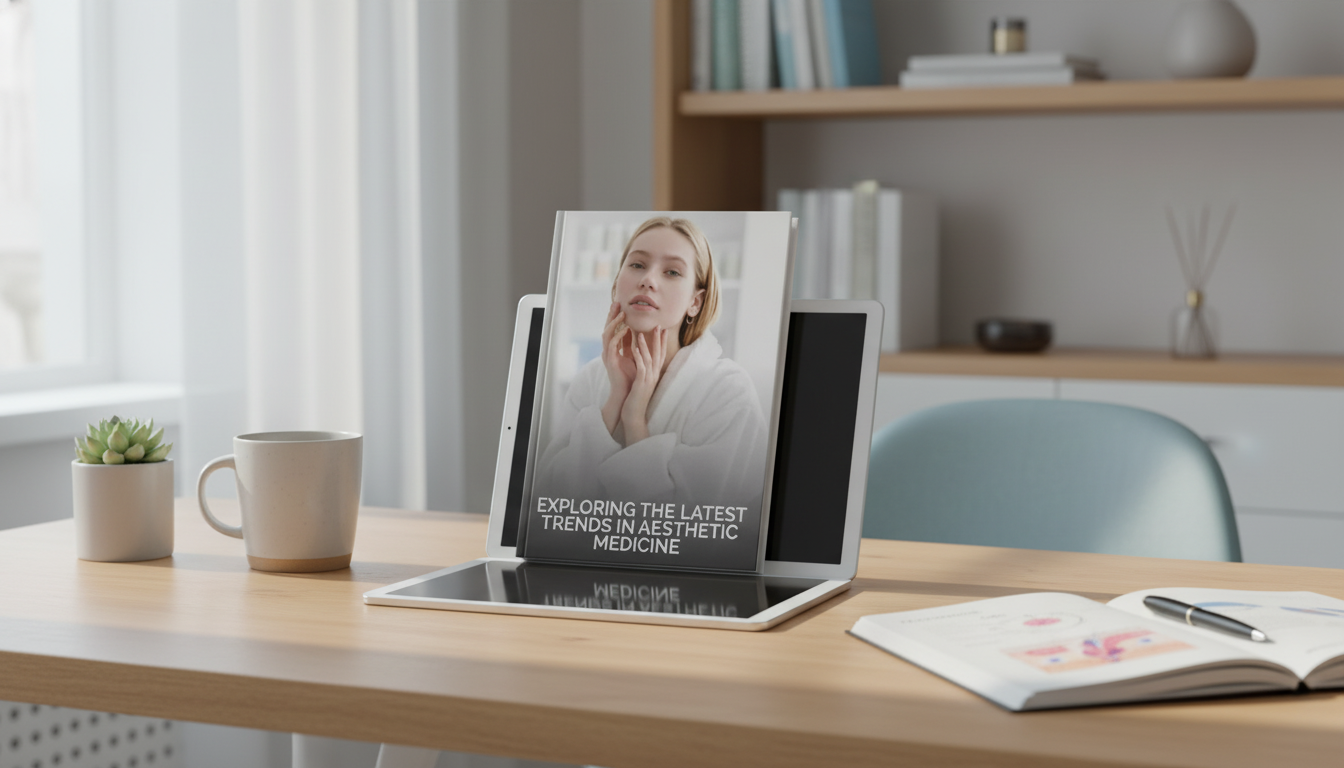
Non-invasive aesthetic medicine is evolving toward outcomes that look believable in real life: smoother texture, more even tone, and a healthier-looking glow that doesn’t read as “done.” Alongside that shift, clients and professionals are leaning on better skin-tech tracking and more consistent lifestyle support so results last longer and irritation happens less often. Below is a guide-style map of today’s most requested treatment categories, the tech that helps personalize plans, and the holistic habits that make non-invasive care easier to maintain.
Today’s aesthetic goals are less about dramatic change and more about looking refreshed. That’s pushing clinics, spas, and at-home enthusiasts toward strategies that build skin quality over time.
“Non-invasive” covers a wide range—from light therapy with essentially no recovery to provider-led treatments that may involve short-lived redness or flaking. The best choice depends on your primary concern (tone, texture, laxity, or puffiness), tolerance, and timeline.
Radiofrequency, ultrasound, and light-based options are commonly used to support firmness, reduce the look of redness or pigment, and encourage collagen-supporting processes. Protocols vary widely by device type, settings, and skin type, so qualified oversight matters when treatments move beyond basic wellness devices.
Microneedling (typically provider-led) aims to improve texture and the appearance of fine lines by controlled stimulation followed by tailored aftercare. “Needle-free” collagen-support approaches often focus on gentle stimulation and recovery support—useful for people who prioritize minimal downtime and barrier comfort.
Peels range from superficial brightening to more intensive resurfacing. Prep and recovery routines strongly influence tolerance, especially if you’re using retinoids, acids, or pigment-targeting actives at home.
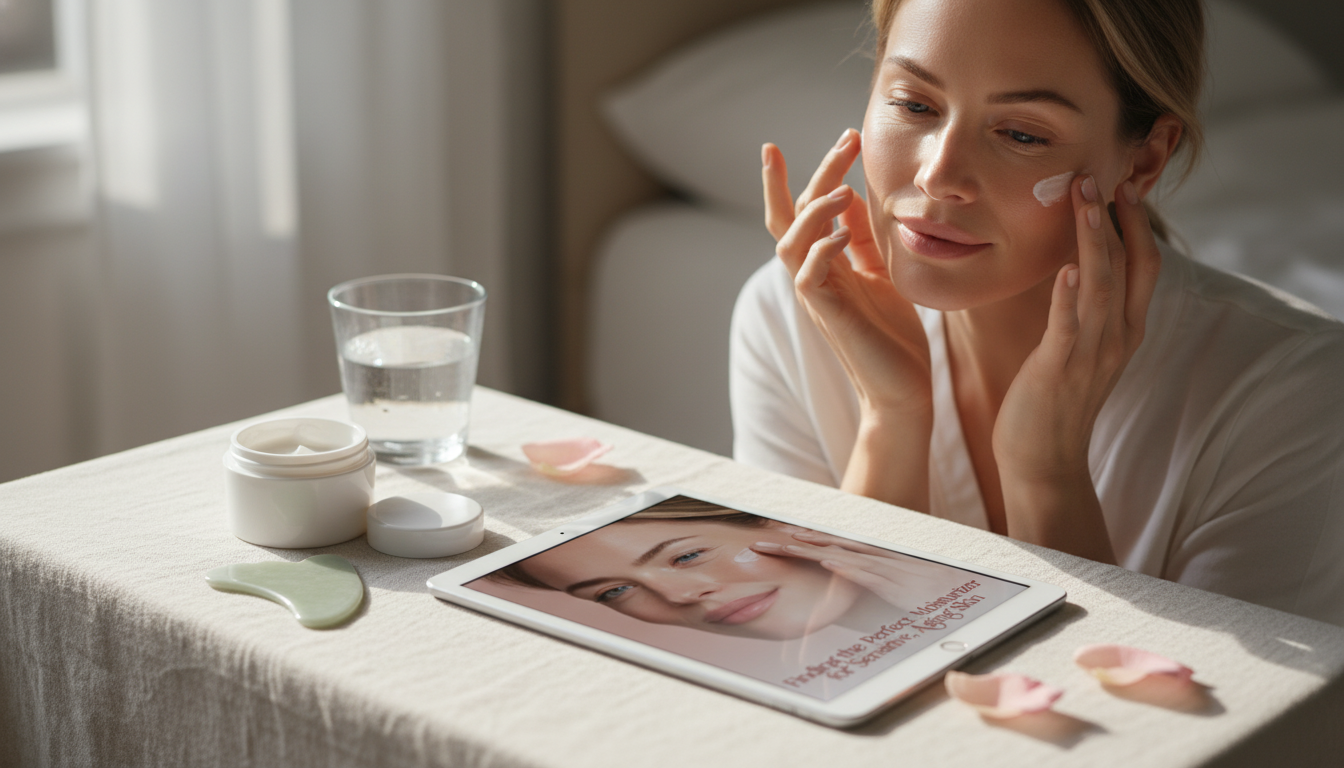
Consistent massage may help reduce the look of puffiness and support a calmer-looking complexion, especially when paired with hydration, sleep regularity, and low-irritation skincare. Results are usually short-term “de-puffing” and glow, but the habit can be a helpful add-on between professional services.
Body treatments often aim to smooth or firm gradually across a series of sessions. These approaches typically reward consistency: maintenance visits, supportive home care, and realistic expectations about pace of change.
| Category | Primary goals | Typical downtime | Best paired with |
|---|---|---|---|
| Radiofrequency / ultrasound | Firmness, laxity support | Low to minimal | Barrier-first skincare, maintenance sessions |
| LED / light-based | Redness support, tone, recovery | None to low | Post-treatment calming routines |
| Microneedling (provider-led) | Texture, fine lines, acne-scar appearance support | Low to moderate | Sun protection, gentle actives timing |
| Superficial peels | Brightness, clarity, smoother texture | Low | Pigment-safe routines, strict SPF |
| Facial massage / lymphatic techniques | Puffiness reduction, relaxation, short-term glow | None | Hydration, consistent sleep, low-irritation products |
Personalization is trending for a reason: two people can do the “same” routine and get very different outcomes. Skin-tracking tools help separate signals from noise—when they’re used consistently.
For device-based treatments, it also helps to understand how products and devices are regulated. The U.S. Food & Drug Administration (FDA) provides guidance on medical devices, and the American Academy of Dermatology Association offers consumer education on cosmetic options and what to discuss with a dermatologist.
If dry indoor air is a recurring trigger, the Mini USB Air Humidifier with Aromatherapy & LED Light is an easy desk or bedside add-on that pairs well with barrier-focused routines.
For a deeper, structured roadmap that connects treatment categories, tech-enabled tracking, and lifestyle pillars, see Exploring the Latest Trends in Aesthetic Medicine (digital eBook).
If puffiness is one of your main day-to-day concerns, Smooth Mornings Start with Massage (facial massage digital guide) offers step-by-step technique guidance and routine tips that fit into a low-downtime approach.
Non-invasive treatments generally work without breaking the skin and often have little to no downtime, such as LED/light therapy, radiofrequency tightening, ultrasound-based treatments, superficial peels, and facial massage. Some options still carry risks (burns, irritation, pigment changes) and should be performed or supervised by trained providers when medical-grade devices are involved.
Frequency depends on the modality and the concern, but many plans use a short series (often several sessions spaced weeks apart) followed by maintenance visits. Consistency matters most, and a qualified provider can tailor timing based on your skin response, calendar, and tolerance.
Yes—standardized photos and simple measurements can help you spot triggers, track progress at realistic intervals, and avoid changing routines too frequently. The key is consistency and interpretation, since daily fluctuations can be misleading without context.









Leave a comment