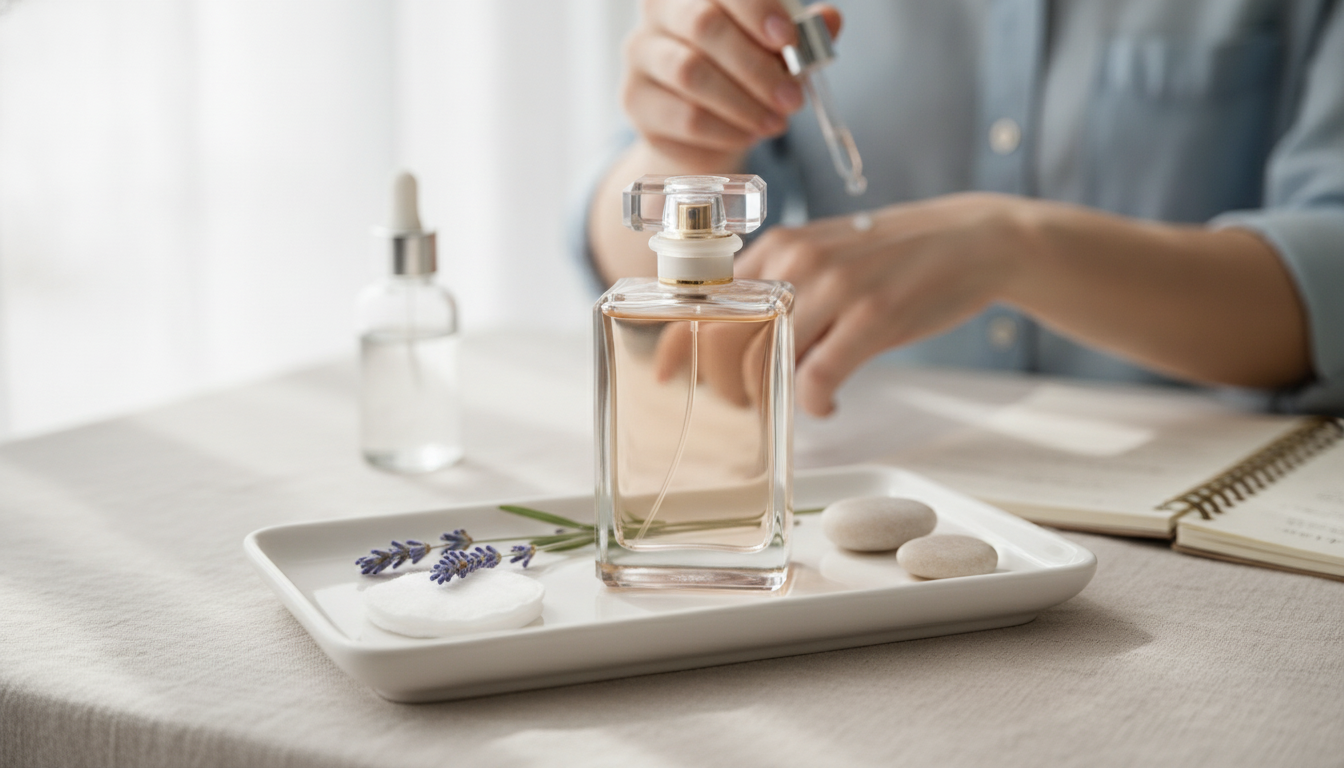
Fragrance can be enjoyable without turning into redness, itching, headaches, or a flare-up. Sensitive skin (and sensitive noses) often react to common scent ingredients, over-application, or the wrong placement. This guide turns “trial and error” into a calm, repeatable routine: how to patch test, where to apply, what to avoid, and how to build safer scent habits that still feel like a treat.
Skin and scent sensitivity usually isn’t about “being dramatic”—it’s often a predictable response to exposure, barrier health, and environment.
| What happens | Likely trigger | Try this instead |
|---|---|---|
| Stinging/burning right after spraying | Alcohol, over-spraying, applying on freshly exfoliated or shaved skin | Spray onto clothing or hair brush (then brush), or apply to intact skin only; reduce sprays |
| Red, itchy rash within 24–72 hours | Allergic contact dermatitis to fragrance components | Stop use; patch test future scents; choose fragrance-free surrounding routine; consult clinician if persistent |
| Headache or nausea | Strong concentration, heavy base notes, poor ventilation | Use 1 light spray; apply away from face/neck; ventilate; consider unscented days |
| Dryness or flaking around application site | Alcohol + already-dry skin barrier | Moisturize first with fragrance-free lotion; apply scent to clothing rather than skin |
When skin is reactive, “less, slower, simpler” beats chasing the perfect bottle. Use this as a default routine, especially when testing a new scent.
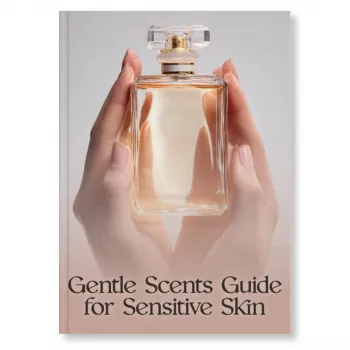
If you want a ready-to-save version you can keep on your phone, the Gentle Scents Guide for Sensitive Skin (digital checklist) organizes these steps into a simple routine and log.
Patch testing won’t guarantee perfection, but it can prevent the most common “I wore it once and regretted it” outcomes.
For deeper context on fragrance allergy and skin reactions, see the American Academy of Dermatology Association’s guidance on fragrance allergy and DermNet NZ’s overview of contact dermatitis.
Placement is often the difference between “pleasant all day” and “why is my skin angry?” Aim for areas that don’t trap heat, sweat, or friction.
Industry safety standards exist, but personal sensitivity can still vary widely; the International Fragrance Association (IFRA) standards overview is a helpful reference point for how fragrance materials are evaluated and managed.
If compromised skin is a recurring trigger, tightening up your “actives” routine can help. Two helpful companions are the Retinol: Safely Navigating the Skincare Superhero (digital guide) and Mask Magic (digital skincare guide) for reducing over-exfoliation and barrier stress.
For a structured template (including a three-wear trial log and placement rules), save the Gentle Scents Guide for Sensitive Skin | Digital Checklist and update it as your skin changes with seasons, stress, and routines.
No perfume can guarantee zero reactions for everyone, and “hypoallergenic” isn’t a universal standard. The most reliable approach is patch testing, using minimal sprays, and keeping the rest of your routine fragrance-free when you’re trialing a new scent.
Often, yes—clothing application can reduce direct skin irritation for sensitive skin. Spray from about 6–10 inches away, avoid high-friction spots, and remember that airborne scent can still trigger headaches, especially in poor ventilation.
Stop using the product, gently cleanse the area, and moisturize with a bland fragrance-free emollient. Avoid re-exposure, and seek medical guidance if symptoms are severe, spreading, or not improving.











Leave a comment