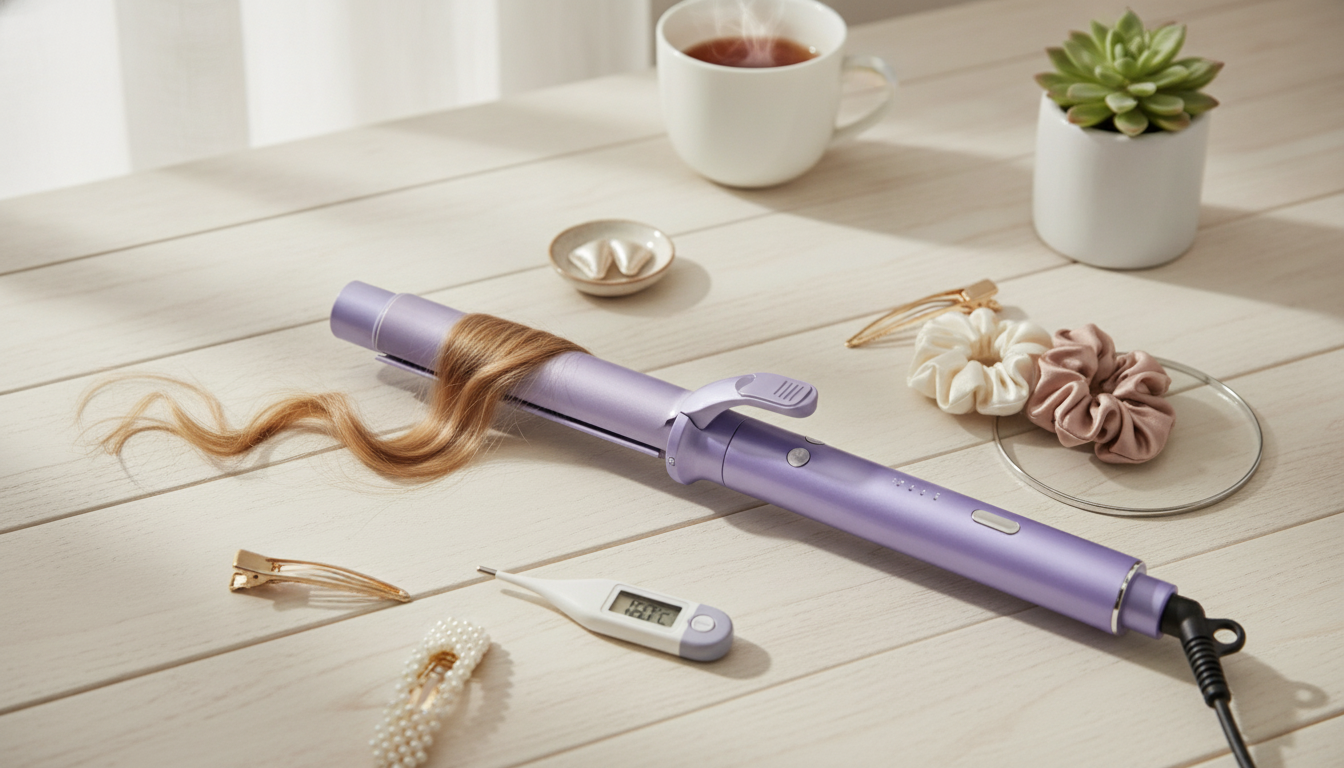
A 32mm automatic ceramic curler is built for quick, consistent curls and loose waves with less guesswork. Adjustable temperature makes it easier to tailor heat to fine, color-treated, or thick hair, while a ceramic barrel supports smoother styling and reduced snagging when used with good technique. If you want a soft, voluminous finish that doesn’t look overly “done,” the 32mm size is a practical everyday option—especially for medium to long hair lengths. For more guidance, see Conair Curling Iron | Curlingiron.
In day-to-day styling, 32mm shines when you want movement rather than tight spirals. Think “blowout waves,” flipped ends, and bouncy curls that can be brushed out after cooling. It’s also a helpful size when time is limited because larger curls typically require fewer sections than smaller-barrel looks. For further reading, see Lange Flat Iron Curls | L Ange Curling Flat Iron.
Consistency matters more than max heat. A curler that reaches a set temperature and holds it steady can help you avoid “chasing” curl results by redoing the same strand. For general electrical safety reminders (especially around cords, outlets, and storage), follow guidance from UL’s home electrical safety resources.
| Hair type / condition | Starting range | Styling notes |
|---|---|---|
| Fine or fragile (including bleached hair) | 120–150°C (250–300°F) | Small sections, shorter hold time, prioritize heat protectant |
| Medium density, natural hair | 150–180°C (300–355°F) | Aim for one smooth pass per section when possible |
| Thick or coarse, resistant hair | 180–210°C (355–410°F) | Use slightly smaller sections; avoid repeated curling cycles |
| Extensions / wigs (check fiber type) | Lowest safe setting or manufacturer guidance | Some fibers cannot tolerate high heat; test a hidden strand first |
Heat damage can show up as dullness, breakage, and frizz that won’t smooth out. If you’re unsure how much heat your hair can handle, it helps to review prevention basics from the Cleveland Clinic and everyday hair care tips from the American Academy of Dermatology Association.
A simple longevity trick: treat “cooling” like part of the styling process, not an afterthought. When a curl cools in a coiled shape (even for a few minutes), it tends to keep its pattern longer—especially if your hair is naturally straight or silky.
For travel or everyday organization, a dedicated pouch helps keep accessories together and prevents cord snags. The Red Rose Floral Women’s Cosmetic Bag is an easy way to store hair clips, pins, mini sprays, and a heat protectant so you’re not hunting for essentials mid-style.
Start low—around 120–150°C (250–300°F)—and use smaller sections with a shorter hold time plus heat protectant. Increase temperature only if curls won’t hold after cooling.
A 32mm barrel typically creates larger curls and looser waves. Tighter curls usually come from smaller barrel sizes and smaller hair sections.
Common causes include hair not being fully dry, taking sections that are too large, skipping the cooling/pinning phase, or having heavy oils/conditioners weighing hair down. It can also happen if heat protectant or styling products haven’t dried before curling.









Leave a comment