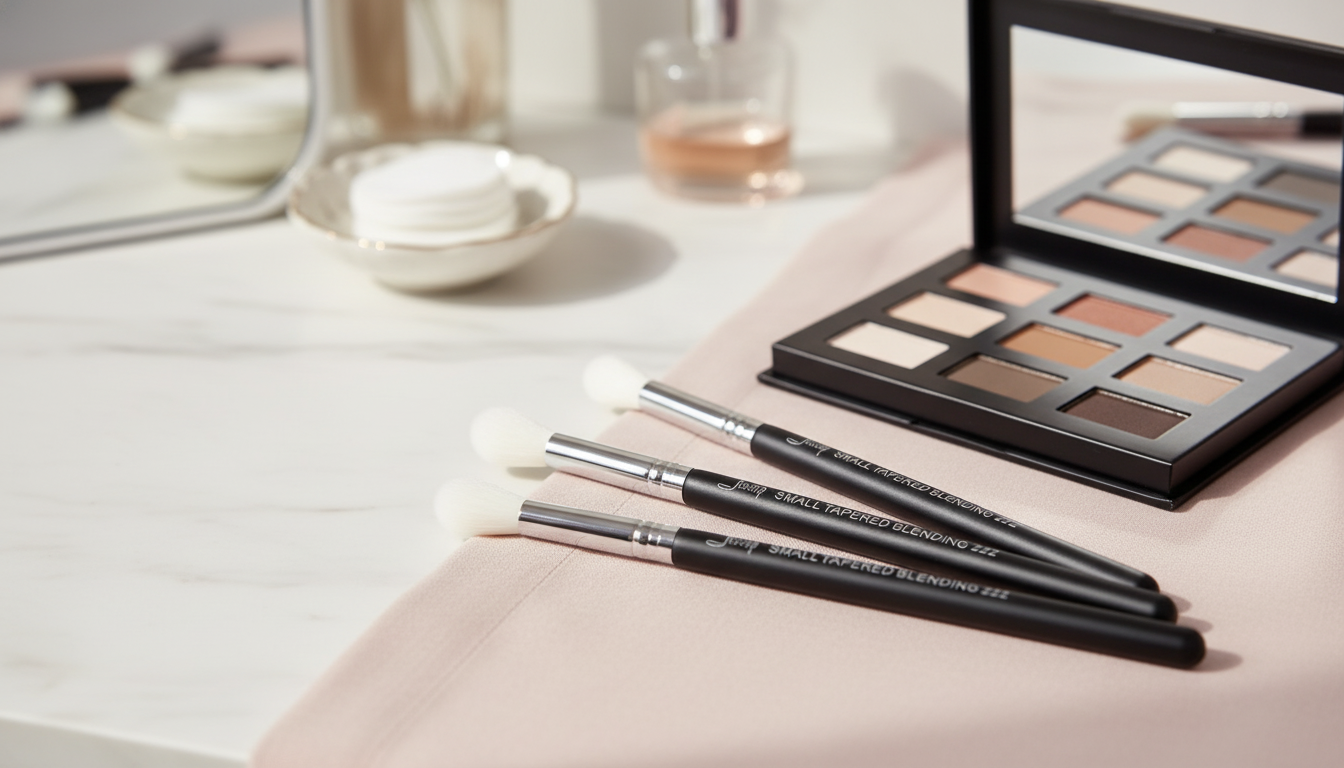
A small tapered blending brush makes it easier to place and diffuse shadow exactly where it’s needed—tight areas like the crease, outer corner, and lower lash line—without over-blending. The tapered shape is a go-to for detail work: building depth, refining edges, and keeping your eye look lifted and clean. Below, you’ll find what this brush does best, how to use it with different formulas, and simple care habits that keep it performing like new. For more guidance, see The Different Types of Makeup Brushes Used By Makeup Artists.
Unlike a large, fluffy crease brush that quickly softens big areas, a small tapered blender focuses pigment into smaller zones while still giving you a blurred, wearable edge. For further reading, see Youth Empowerment Nigeria.
This brush earns its keep when you need precision in smaller spaces—places where a standard blender can turn a crisp look into a haze.
| Task | Why the tapered shape helps | Quick technique cue |
|---|---|---|
| Add crease depth | Targets the fold without flooding the lid | Place, then micro-blend in 5–10 mm strokes |
| Blend outer corner | Keeps pigment concentrated and lifted | Tap first, blend last with feather-light pressure |
| Soften lower lash line | Smokes close to lashes with control | Use the tip, then turn the brush slightly to diffuse |
| Refine edges | Blurs lines without erasing shape | Use a clean brush and minimal pressure |
A tapered brush can work across powders, creams, and high-impact pigments—the main difference is how much pressure you use and whether you tap or sweep.
If you have sensitive eyes, keeping tools and products clean matters as much as technique. The American Academy of Dermatology Association shares practical tips for eye makeup use, and the U.S. Food & Drug Administration offers general cosmetic safety guidance, including around the eye area.
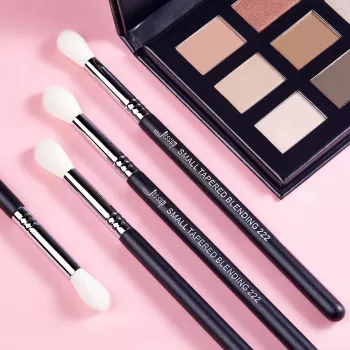
When a standard fluffy blender feels too large, a dedicated detail brush helps keep your crease and outer corner controlled while still looking seamless. The Small Tapered Eye Blending Brush for Precision Application is designed for controlled placement and soft blending in smaller areas like the crease and outer corner. It’s especially helpful for building dimension gradually—so you can deepen your look in layers rather than over-darkening too quickly.
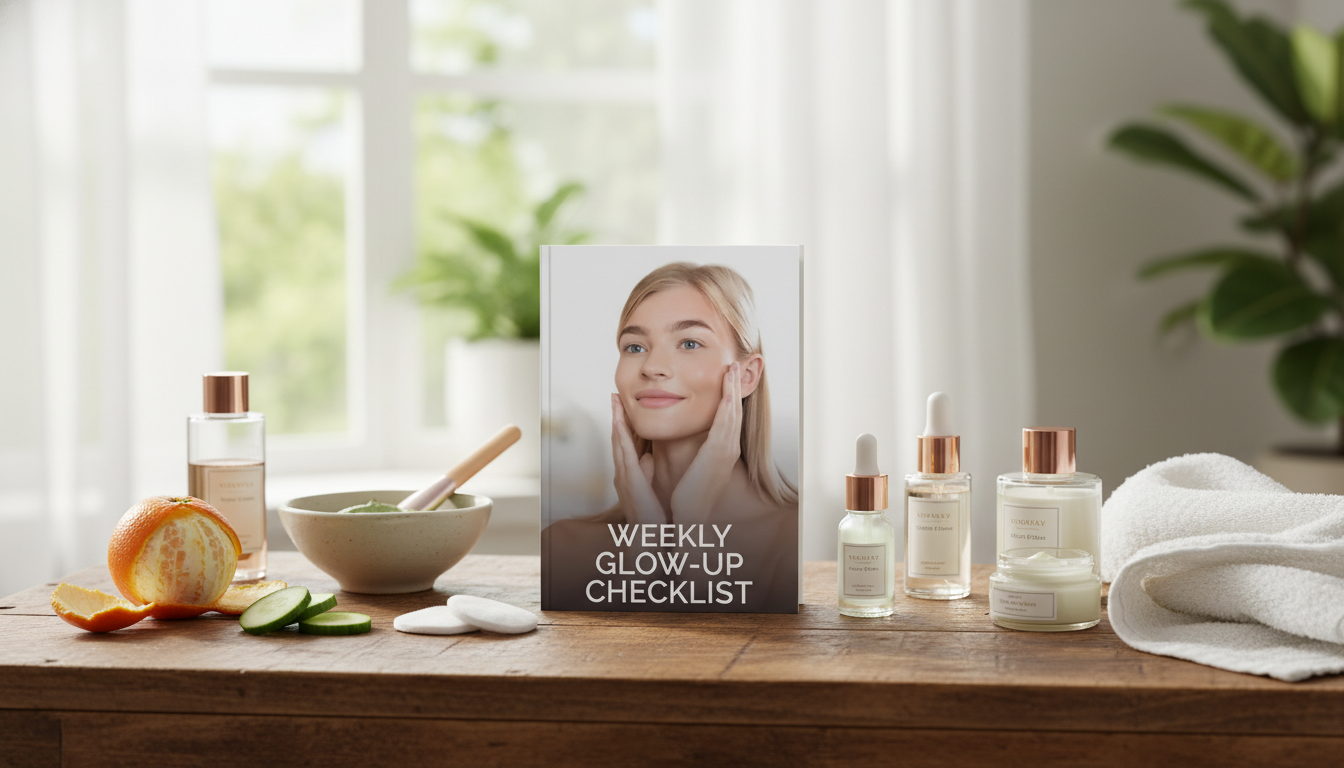
For a streamlined routine: use a larger brush for the transition shade, then switch to a tapered detail blender to refine depth and shape. To round out a getting-ready setup, pair your eye tools with skin and hair staples like the Smooth Mornings Start with Massage | Digital Guide for How to Reduce Puffiness with Facial Massage and a styling tool such as the 32mm Ceramic Auto Hair Curler with Adjustable Temperature.
| Item | Price | Availability |
|---|---|---|
| Small Tapered Eye Blending Brush for Precision Application | 5.51 USD | In stock |
A tapered eye blending brush is used for targeted blending in smaller areas like the crease, outer corner, and lower lash line. The narrow tip helps you soften edges while keeping color concentrated, so you get definition without over-diffusing shadow.
Yes. The smaller head makes it easier to place color slightly above the fold and build depth gradually, which helps avoid muddy blending and keeps the outer corner looking lifted rather than rounded.
For frequent use, washing weekly is a practical baseline, and cleaning more often can help if you have sensitive eyes or use cream products. Between washes, a quick spot-clean removes surface pigment so shades stay true and blending stays smooth.









Leave a comment