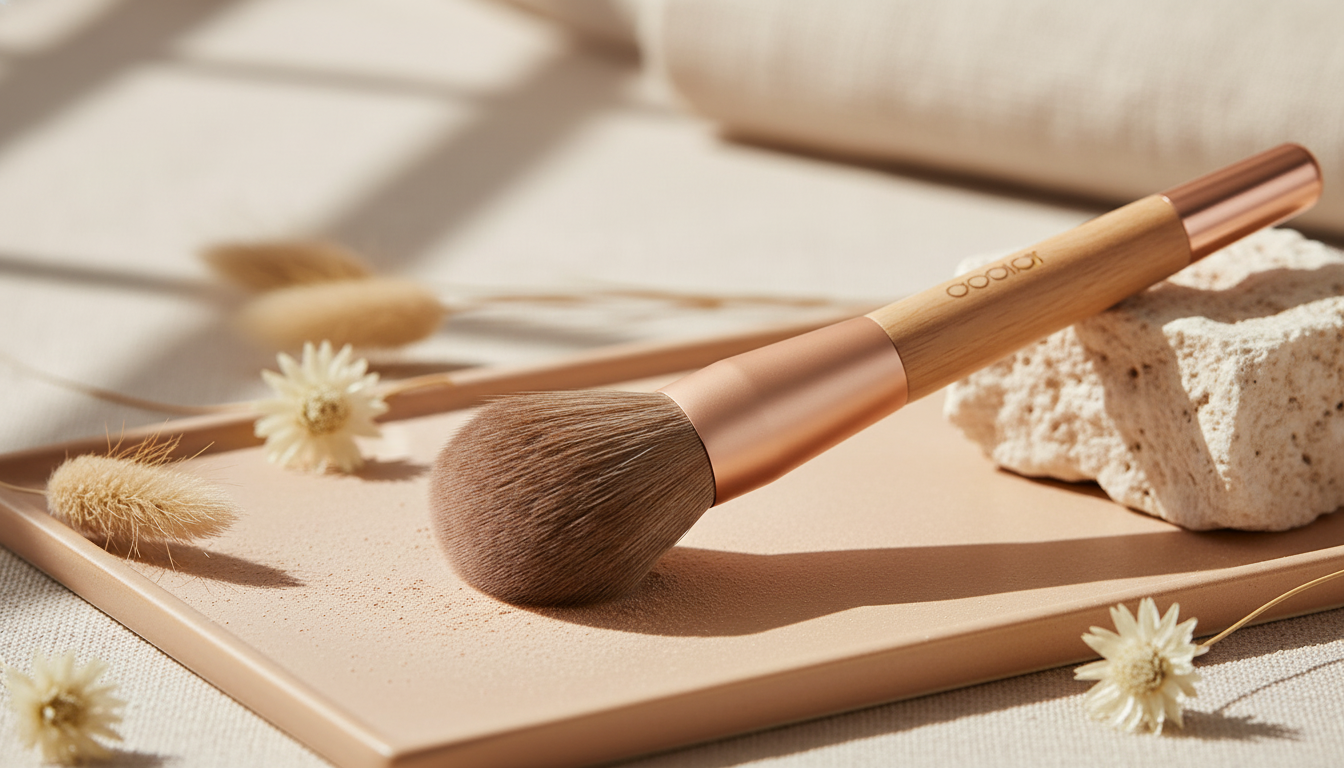
A large, fluffy powder brush can make the difference between makeup that sits on top of skin and makeup that looks seamlessly blended. This soft synthetic brush is designed to pick up loose or pressed powder evenly, diffuse edges, and add a smooth finish across the face—without scratchy bristles or harsh lines. For more guidance, see [PDF] Modern Edge Cosmetics: An Extensive Review – Innovation Info.
When a brush head is generously sized and flexible, it naturally encourages lighter pressure and wider, softer strokes—exactly what most face powders need. A large loose powder brush is especially helpful for: For further reading, see 4 Best Makeup Brushes of 2026, Tested by Experts.
If powder ever looks “heavy,” the fix is often less about changing the product and more about switching to a brush that spreads pigment and powder particles more evenly.
Brush comfort matters because the face is more reactive than people realize—especially along the nose, under-eyes, and jawline. Soft synthetic hair is popular for daily use because it can balance performance with a gentler feel.
For anyone who sets makeup often, a soft brush can also make the routine feel faster—less tugging, fewer passes, and fewer “oops” moments to blend away.
Use a light hand and build in thin layers—most “too much powder” issues come from pressing too hard or overloading the brush. Tap or gently flick off excess powder before the first sweep to avoid patchy spots. Keep strokes long and soft for setting powder; use shorter, buffing motions to diffuse contour edges.
| Makeup step | Best area | Brush motion | Tip |
|---|---|---|---|
| Loose setting powder | T-zone, under-eyes (lightly) | Sweep or press-then-sweep | Start with a small amount and add only if needed |
| Pressed powder | All over face | Long, airy strokes | Use minimal pressure to avoid moving base makeup |
| Blush | Cheeks, temples | Sweep upward and outward | Apply on the outer cheek first, then blend inward |
| Contour/bronzer blending | Hollows of cheeks, jawline, hairline | Short, soft buffing | Diffuse edges after placing product with a smaller brush |
A simple trick for an extra “airbrushed” look: after placing powder, take the same brush (with little to no added product) and do a final, feather-light sweep along the perimeter of the face to soften any edges near the hairline.
Loose powder can look incredibly smooth—until it clings to texture, gathers around fine lines, or emphasizes dryness. A large fluffy brush helps, but technique seals the deal.
If the under-eye area tends to look dry, keep it minimal: use leftover powder from the brush after setting the T-zone, then do one soft pass under each eye instead of reloading.
Regular cleaning helps brushes perform better and can reduce buildup from powder, oils, and skincare. For practical brush hygiene guidance, see the American Academy of Dermatology Association’s tips on cleaning makeup brushes. It’s also smart to follow general cosmetic safety information from the U.S. Food & Drug Administration (FDA).
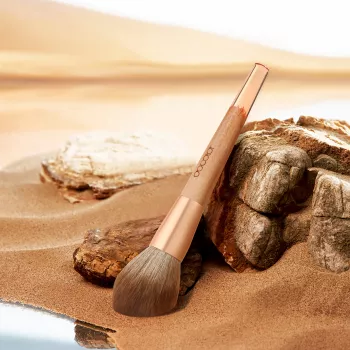
Large Loose Powder Makeup Brush – Soft Synthetic Hair Face Contour Blush Brush
Yes. Use a lighter pickup for loose powder (tap off well), and build blush gradually with upward-and-outward sweeps so color stays soft and blended.
For frequent use, plan on a deeper wash about weekly and do quick wipe-downs as needed between uses. Wash more often if you’re acne-prone or if the brush starts to feel coated.
Patchiness is usually from too much product on the bristles, applying before skincare has absorbed, pressing too hard, or layering powder over a tacky base. Use thinner layers, lighter pressure, and finish with gentle buffing to smooth edges.









Leave a comment