Finding a foundation that looks like skin (not makeup) often comes down to matching formula, finish, and technique to how skin changes over time. Use this age-aware checklist approach to narrow choices fast—whether skin is oily, dry, sensitive, acne-prone, or mature—and build a routine that stays comfortable all day.
Skin doesn’t “fail” at makeup—its needs simply shift. Oil production can decrease over time, so a once-perfect matte base may suddenly feel tight or show patchiness. Texture also becomes more noticeable when formulas run too dry, too powdery, or are set too heavily.
Tone can look more uneven from sun exposure or lingering post-acne marks, so coverage needs may increase while comfort needs to stay light. Hydration, barrier support, and gentle ingredients often matter more than chasing maximum coverage. And because harsh lighting and magnifying mirrors exaggerate every pore, a closer match to undertone and finish usually looks more natural than heavier layers. For a simple, derm-backed baseline, follow skin-friendly basics like cleansing gently and moisturizing consistently (see American Academy of Dermatology Association: Skin care basics).
Before shopping, take a 30-second snapshot of your skin type: oily (shine by midday), dry (tight/flaky), combination (oily T-zone, dry cheeks), normal (balanced), or sensitive (stings easily). Then choose your top one or two concerns—redness, acne, dullness, hyperpigmentation, fine lines, enlarged pores, dryness, or uneven texture—so you’re not buying based on hype.
If you’re acne-prone or reactive, prioritize fragrance-free options and patch test new base products along the jawline. If you’re dry or mature, look for flexible, hydrating textures that won’t emphasize flaking or lines. If you’re oily or live in humidity, aim for long-wear formulas with breathable oil control and set only where needed instead of powdering everything.
Dryness can also be environmental (AC, heating, winter air). If your skin feels tight no matter what foundation you use, addressing the cause can help (see Mayo Clinic: Dry skin (symptoms and causes)).
Undertone is the “why” behind a shade match that either disappears into your skin or looks slightly off. Quick guide: warm (golden/olive), cool (pink/rosy), neutral (a mix), and olive (green-gold) which often behaves as its own category. If you want a clearer breakdown, this undertone explainer is a helpful reference: Cleveland Clinic: What are skin undertones?.
Swatch along the jawline (not the wrist) and check in natural daylight. The right shade should blend into both face and neck without needing bronzer to “fix” it. If you’re between shades, choose the closer undertone first; you can adjust depth with a tiny drop of bronzing or lightening mixer rather than forcing the wrong undertone.
Always do an oxidation test: wear the swatch for 15–30 minutes and see if it turns darker or more orange. Sometimes the issue is a primer or skincare combo underneath, so try one change before writing off the shade. And when you’re covering discoloration, a light touch of color corrector (peach for under-eyes, green for redness) often looks more natural than stacking extra foundation layers.
Coverage is less about “more is better” and more about where you place it.
| Age range | Oily/combination | Normal | Dry/sensitive | Mature/texture-focused |
|---|---|---|---|---|
| 20s–30s | Soft-matte or natural long-wear; spot-powder | Natural/satin; buildable coverage | Hydrating natural finish; minimal powder | Natural finish; light layers + pinpoint concealing |
| 40s | Natural long-wear; avoid heavy baking | Satin; smoothing primer if needed | Radiant/satin; hydrating base products | Satin/radiant; flexible formula; set only T-zone |
| 50s–60s+ | Natural finish; oil control only where necessary | Satin; lightweight and even | Radiant/hydrating; avoid overly matte powders | Radiant/satin; thin layers; blur with light setting spray |
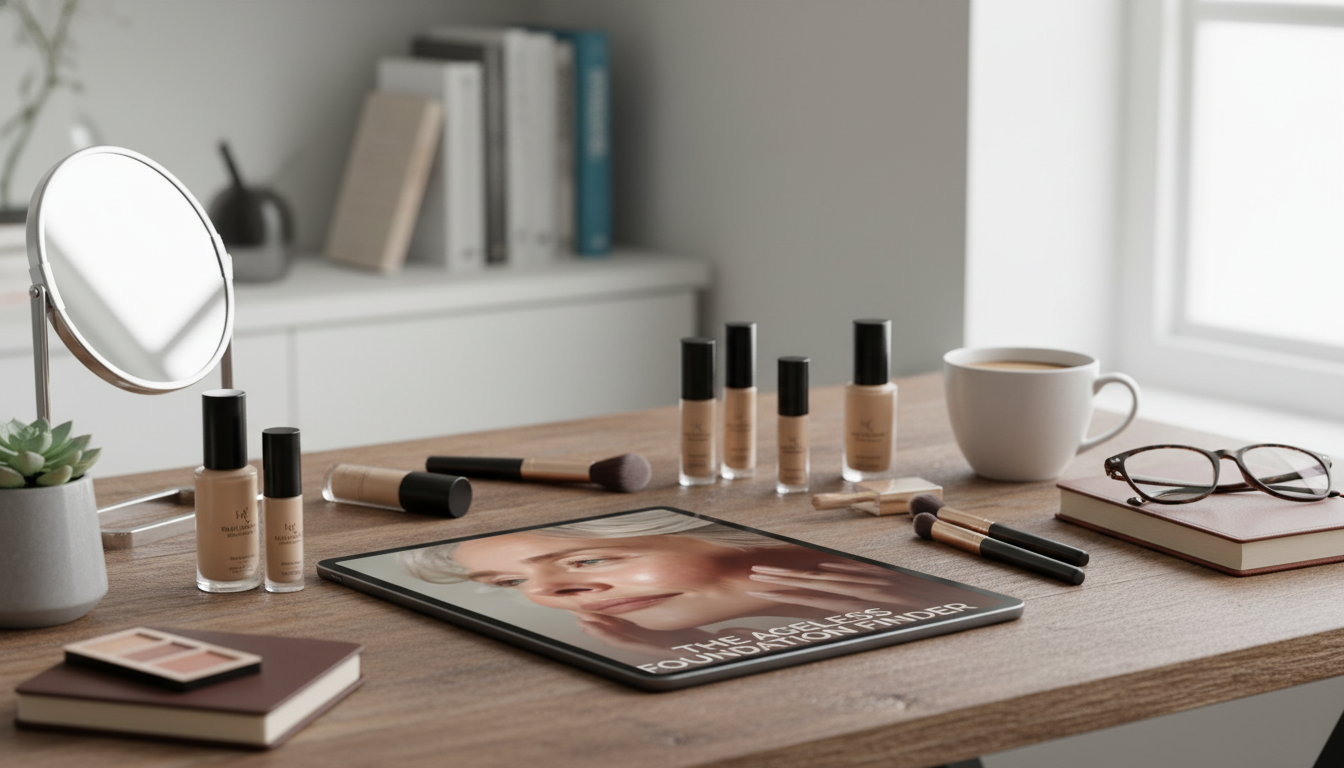
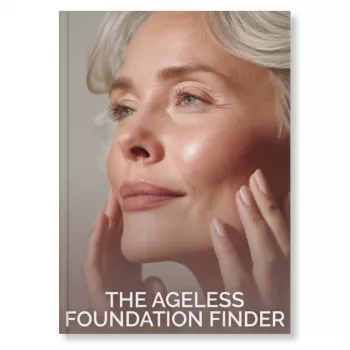
To make foundation shopping simpler, keep your decisions consistent from one test to the next. Start by using The Ageless Foundation Finder printable checklist (digital download) to record your skin type, sensitivity triggers, undertone, and preferred finish before you buy.
If puffiness and facial tension affect how makeup sits in the morning, adding a quick technique can help your base look smoother and more even. Pair your routine with Smooth Mornings Start with Massage digital guide for a step-by-step approach. And if your home air runs dry (common in winter or constant AC), a small comfort upgrade like the Mini USB Air Humidifier with Aromatherapy & LED Light can support a more comfortable skin feel so foundation is less likely to cling.
Satin or soft-radiant finishes tend to look the most like real skin because they reflect light gently without emphasizing texture. Keep layers thin, spot-conceal where needed, and avoid heavy all-over powder.
Use less product, hydrate well, and avoid applying a thick layer under the eyes. Set only where needed with a tiny amount of powder, then finish with setting spray to reduce a dry, lined look.
Apply a swatch and check it again in natural daylight after 15–30 minutes; oxidation usually shows up as a darker or more orange shift. If it changes, test a different primer/skincare combo and consider adjusting undertone rather than simply going darker.










Leave a comment