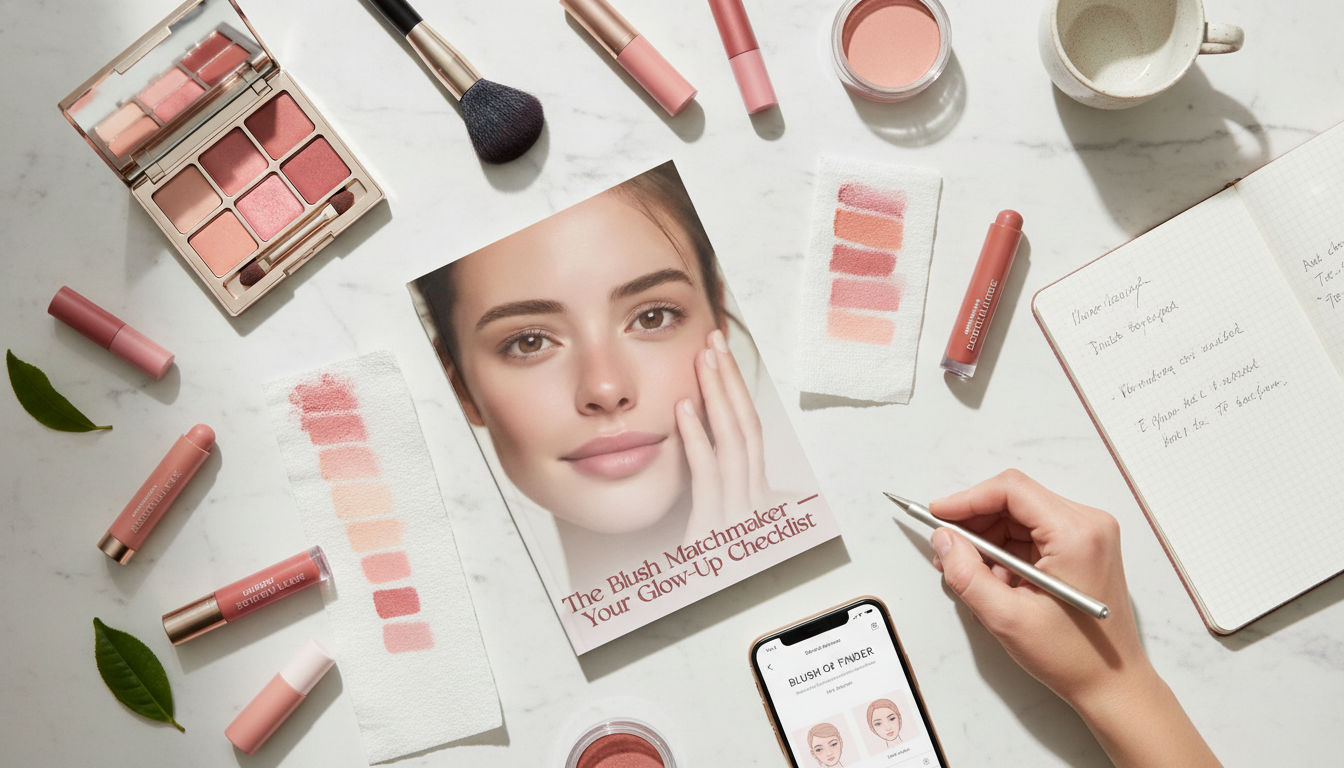
A great blush doesn’t just add color—it balances the face, brightens the complexion, and makes skin look healthier in seconds. The trick is choosing a shade and finish that look like “you, but well-rested,” then placing it where it creates the effect you want: fresh, lifted, or sun-kissed. Use the checklist below to narrow down undertone, depth, contrast, formula, and placement—so buying (and wearing) blush stays simple and consistent. For more guidance, see How To Find The Best Blush For Your Skin Tone – Blush Shade Guide.
First, separate skin depth (fair to deep) from undertone (cool, warm, neutral, olive). Mixing these up is how blush ends up chalky, muddy, or oddly gray. For further reading, see How to Choose the Right Blush for Your Skin Tone – Girlactik.
For more general safety and skin considerations around cosmetics, review the U.S. Food & Drug Administration (FDA) cosmetics guidance and the American Academy of Dermatology Association’s makeup tips.
Use the table as a starting lane, then adjust saturation: go brighter for higher contrast; softer for lower contrast. If blush disappears, go a touch deeper or switch from dusty tones to clearer tones. If it looks harsh, choose a more muted shade or apply with a lighter hand. Olive undertones often do best avoiding very blue-based pinks and very orange peaches—think rose, apricot-rose, and terracotta-rose.
| Undertone | Fair–Light | Medium | Tan–Deep | Try to avoid (common pitfalls) |
|---|---|---|---|---|
| Cool | baby pink, cool rose, soft berry | rose, mauve, raspberry | berry, wine-rose, plum-rose | very orange peach; beige-nude that turns gray |
| Warm | soft peach, apricot, warm pink | peach-rose, coral-rose, warm terracotta | terracotta, brick-rose, warm berry | icy pink that looks stark; blue-based fuchsia |
| Neutral | neutral pink, peach-pink, rose | rose, soft coral, muted berry | rosewood, warm berry, terracotta-rose | extreme neon brights; overly ashy nudes |
| Olive | apricot-rose, muted coral, rosy beige | rosewood, terracotta-rose, soft berry-rose | brick-rose, terracotta, warm plum-rose | very blue pinks; very orange corals; gray-taupe “nudes” |
If your base makeup changes with age, texture, or dryness, pairing blush choices with a consistent base routine helps. For a quick, printable way to streamline shade and finish decisions, see The Ageless Foundation Finder.
Want your routine to stay tidy (and travel-ready) while you test shades and formulas? Keep your daily essentials in one place with the Red Rose Floral Women’s Cosmetic Bag.
Healthy-looking blush sits best on calm, well-supported skin. If you’re refining your glow routine with masks, timing, and ingredient pairing, Mask Magic: Your Fun & Safe Guide to Glowing Skin can help you keep results smooth and consistent.
A flattering, undertone-matched blush mimics natural circulation, which can make sallow or dull tones look brighter and more balanced. Keep the color slightly higher and outward (instead of right on areas of redness), and blend edges softly so the flush looks seamless.
Exact matching isn’t required; it’s usually more flattering to stay in the same “temperature” (cool with cool, warm with warm) and a similar intensity. For example, a rose blush pairs easily with a berry lip, while a peach blush pairs naturally with a coral lip.
Use thin layers: a light cream or liquid blush under a matching powder blush boosts wear time without looking heavy. Apply over hydrated skin, avoid over-powdering, and finish with setting spray if your makeup tends to fade quickly.








Leave a comment