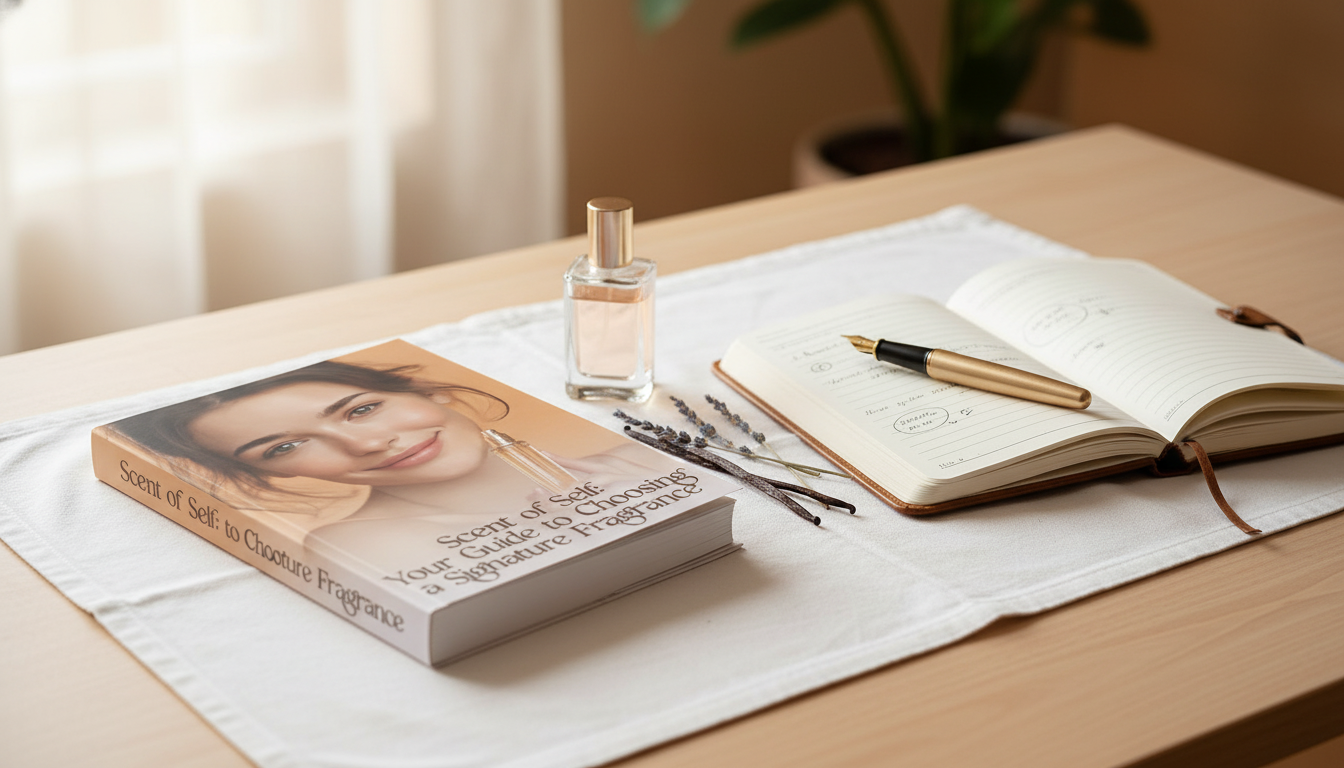
A signature fragrance is less about chasing trends and more about noticing what feels like home on your skin. With a little structure—memory cues, note families, and a simple testing routine—choosing a scent can become a calm act of self-discovery. This guide walks through how perfume develops, how to map your preferences, and how to narrow options with confidence using a journal-style approach.
A signature scent is recognizable, repeatable, and emotionally resonant—something that fits daily life rather than living only in a “special occasion” drawer. The goal isn’t to impress a room; it’s to feel aligned with yourself when you catch a soft trace on your sleeve.
Many preferences connect more to memory than to brand: clean laundry, a citrus grove, old books in a quiet library, or rain warming pavement. Smell is closely tied to memory and emotion, which is why the “right” fragrance can feel instantly familiar (and why a “wrong” one can feel distracting). For a deeper look at that connection, see Cleveland Clinic’s overview of smell and memory: https://health.clevelandclinic.org/.
Lifestyle matters, too: work environment, sensitivity to strong scents, climate, and whether you can reapply during the day. If you love variety, consider a “signature profile” rather than a single bottle—one everyday scent plus an evening or seasonal companion that still feels like you.
Perfume is a timeline. The opening can be bright and sparkling, then soften into the heart, then settle into a base that may last into the next morning.
Skin chemistry, hydration, and temperature influence projection and longevity; the same scent can feel different day to day. Blotter strips are helpful for first impressions, but final decisions deserve wear tests. If you’re sensitive to fragrance ingredients, it can also be useful to stay aware of general safety guidance like the IFRA Standards: https://ifrafragrance.org/safe-use/standards.
Instead of searching for “the best perfume,” build a small self-map. A journal approach keeps the process calm, consistent, and surprisingly revealing.
Choose words that describe how you want to feel, not how you want to smell. Examples: grounded, luminous, comforting, bold, quiet, playful. These will help you judge a fragrance beyond “sweet” or “fresh.”
Write down notes you’ve loved or disliked in real life (yes: bergamot, iris, sandalwood; no: heavy patchouli, sharp aldehydes). If you’re unsure how families relate, the Fragrance Wheel is a helpful reference point: https://www.fragrance.org/.
If you like the structure of a guided journal, Scent of Self: Your Guide to Choosing a Signature Fragrance is a digital download designed for this exact process—mood words, note tracking, and wear-test scoring in one place.
| Situation | Good starting direction | Notes to explore | Testing tip |
|---|---|---|---|
| Everyday, close to others | Soft fresh or skin scent | Musk, light woods, tea, gentle citrus | Aim for low projection; 1–2 sprays under clothes |
| Warm weather, outdoors | Citrus-aromatic or aquatic | Bergamot, neroli, rosemary, sea notes | Reapply lightly; heat boosts intensity |
| Cool weather, cozy nights | Amber-woody or gourmand | Vanilla, tonka, amber, sandalwood | Try one spray first; assess after 2 hours |
| Polished events | Elegant floral-woody | Iris, rose, jasmine, cedar | Test with your usual outfit fabrics; they hold scent |
| Creative, statement mood | Spicy, resinous, or unusual | Incense, pepper, leather, smoky woods | Sample first; give it a full-day wear test |
Pair a guided approach like Scent of Self: Your Guide to Choosing a Signature Fragrance with a small discovery set from their favorite retailer, or offer a sample-shopping date. Include a note with three prompts: “a smell you loved as a kid,” “a place that feels like peace,” and “a feeling you want more often.” For fragrance lovers, the most meaningful gift is often the process: noticing, testing, and naming what resonates.
For a simple desk or nightstand upgrade, the Mini USB Air Humidifier with Aromatherapy & LED Light can help soften dry air during sampling sessions, especially in colder months.
If your signature routine includes an “I’m taking care of myself” moment before you spray, Smooth Mornings Start with Massage pairs well with fragrance journaling—both are small, repeatable rituals that set the tone for the day.
One “daily driver” is enough to count as a signature, but many people prefer 1–3 fragrances (everyday, evening, and/or seasonal) so their scent still feels consistent while matching mood and weather.
Skin chemistry, hydration level, and body temperature affect how top, heart, and base notes bloom. Diet, medications, and even day-to-day hormone shifts can also subtly change how a fragrance projects and lasts.
Plan for at least a full day so you can experience the dry-down and end-of-day feel. Use checkpoints at 5 minutes, 30 minutes, 2 hours, and bedtime, then repeat on another day to confirm.












Leave a comment