
Skincare labels can feel like a mix of science class and marketing—tiny text, unfamiliar ingredient names, and bold claims competing for attention. A clear, repeatable way to read labels helps spot what matters most: the formula’s purpose, how strong it’s likely to be, whether it fits a skin type, and how to avoid common irritants. Use the steps below to decode ingredients, understand claims, and make smarter choices with less guesswork. For more guidance, see Decoding Skincare Labels: A Guide to Understanding Active ….
Before you squint at the ingredient list, identify the product type: cleanser, moisturizer, sunscreen, serum, or exfoliant. This sets realistic expectations for both ingredients and results. A cleanser can remove oil and sunscreen, but it won’t “firm” in the same way a leave-on retinoid product might. For further reading, see 10 Steps to Understanding Skincare Labels and Ingredients.
Next, treat big claims as clues, not proof. Terms like “brightening,” “detox,” “clean,” “dermatologist tested,” and “hypoallergenic” aren’t used consistently across brands. Instead of taking them at face value, use them to decide what to verify on the back label.
Focus on functional details that matter more than hype: SPF number and “broad spectrum” for sunscreens, whether it’s leave-on or rinse-off, and the difference between “fragrance-free” (no added fragrance ingredients) and “unscented” (may still contain masking fragrance). Also confirm whether it’s formulated for face vs. body—body lotions can be great, but some are too heavy or fragranced for facial skin.
Finally, check volume/weight (mL/oz) for apples-to-apples value comparisons. Packaging matters too: airless pumps and opaque bottles help protect light- and air-sensitive ingredients (like certain vitamin C formats and retinoids) better than wide-mouth jars.
The ingredient list (INCI) is organized in descending order by amount—up to about the 1% line. After that point, ingredients can appear in any order, which is why a “hero” ingredient listed near the end may be present in a very small amount.
The first 5–8 ingredients usually reveal the base and the sensory feel. Water plus humectants can signal a light gel texture, while heavier emollients, butters, and oils typically indicate a richer cream or balm. Don’t skip the “supporting cast,” either: emulsifiers, thickeners, preservatives, chelators, pH adjusters, and solvents can impact tolerance and performance even if they aren’t marketed as actives.
Also watch for multiple names for the same concept. For example, fragrance may appear as “Fragrance/Parfum” plus individual fragrance allergens such as limonene or linalool. If you’re unsure what an ingredient is, the European Commission’s CosIng database is a reliable reference for how ingredients are categorized and used.
| Label element | What it tells you | What to check next |
|---|---|---|
| First 5 ingredients | The base and likely texture (watery gel, creamy lotion, oil-rich balm) | If your skin prefers light humectants vs. richer occlusives; potential congestion triggers |
| Actives (e.g., niacinamide, retinoids, acids) | Main function and possible irritation risk | Placement (top vs. bottom), usage directions, and compatibility with other actives |
| Fragrance/essential oils | Scented formula; higher irritation risk for sensitive skin | Look for “fragrance-free,” or scan for parfum + allergens (limonene, linalool) |
| Preservatives | Safety and shelf stability (especially water-based products) | If you react to specific preservatives; avoid “DIY preservative-free” water products |
| SPF labeling | Protection level and whether it covers UVA/UVB | Broad spectrum, water resistance time, and reapplication guidance |
Labels reward a “less, but better” mindset. A few well-studied actives in a supportive base usually outperform a long kitchen-sink list that pushes your barrier too hard.
Store products as directed. Opaque, airtight packaging typically protects fragile ingredients better than clear jars. For general labeling basics, the FDA’s overview of cosmetics labeling requirements is a helpful reference.
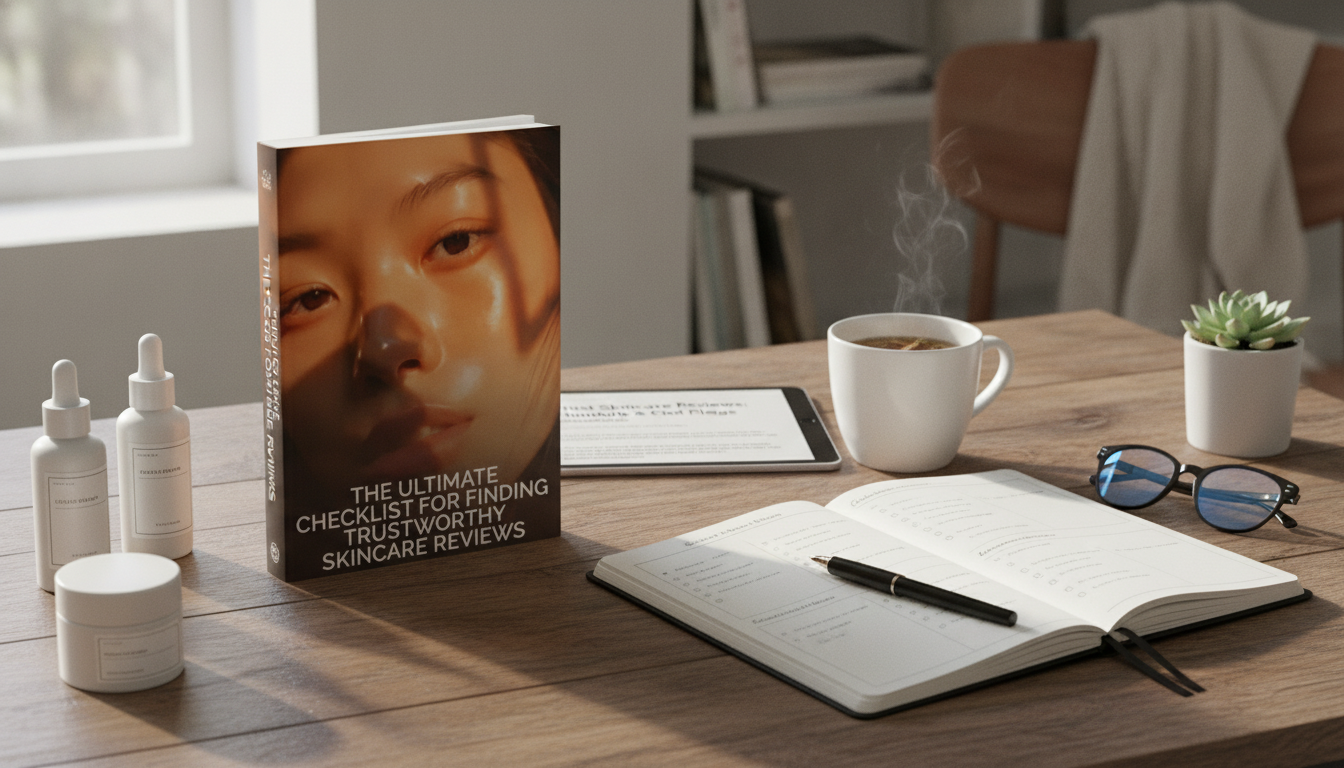
If you want a step-by-step framework you can reference while shopping or decluttering, Mastering Skincare Labels with Confidence (digital guide) breaks the process into quick checklists.
For routine support beyond labels, lymphatic-style techniques can help reduce the look of morning puffiness; Smooth Mornings Start with Massage (puffiness facial massage guide) pairs well with a simple, fragrance-minimized routine. And if cold therapy is part of your routine, the Ice Roller Massager for Face, Eyes & Neck is an easy add-on—especially after you’ve confirmed your leave-on products are barrier-friendly.
Ingredients are listed in descending order until about the 1% line, so placement near the top often indicates a higher amount than something near the bottom. The format also matters (for example, retinoid type or vitamin C derivative), and directions plus packaging can hint at how potent and stable the formula is likely to be.
“Fragrance-free” generally means no fragrance ingredients were added, while “unscented” may still include masking fragrance to neutralize odor. To confirm, scan the INCI list for “Fragrance/Parfum” and common fragrance components like limonene or linalool.
Not necessarily—those terms aren’t standardized, and sensitivity depends on the specific ingredients and their amounts. “Natural” products can still include potential irritants (like essential oils or fragrance allergens), so patch testing and simpler formulas are often the safer route for reactive skin.








Leave a comment