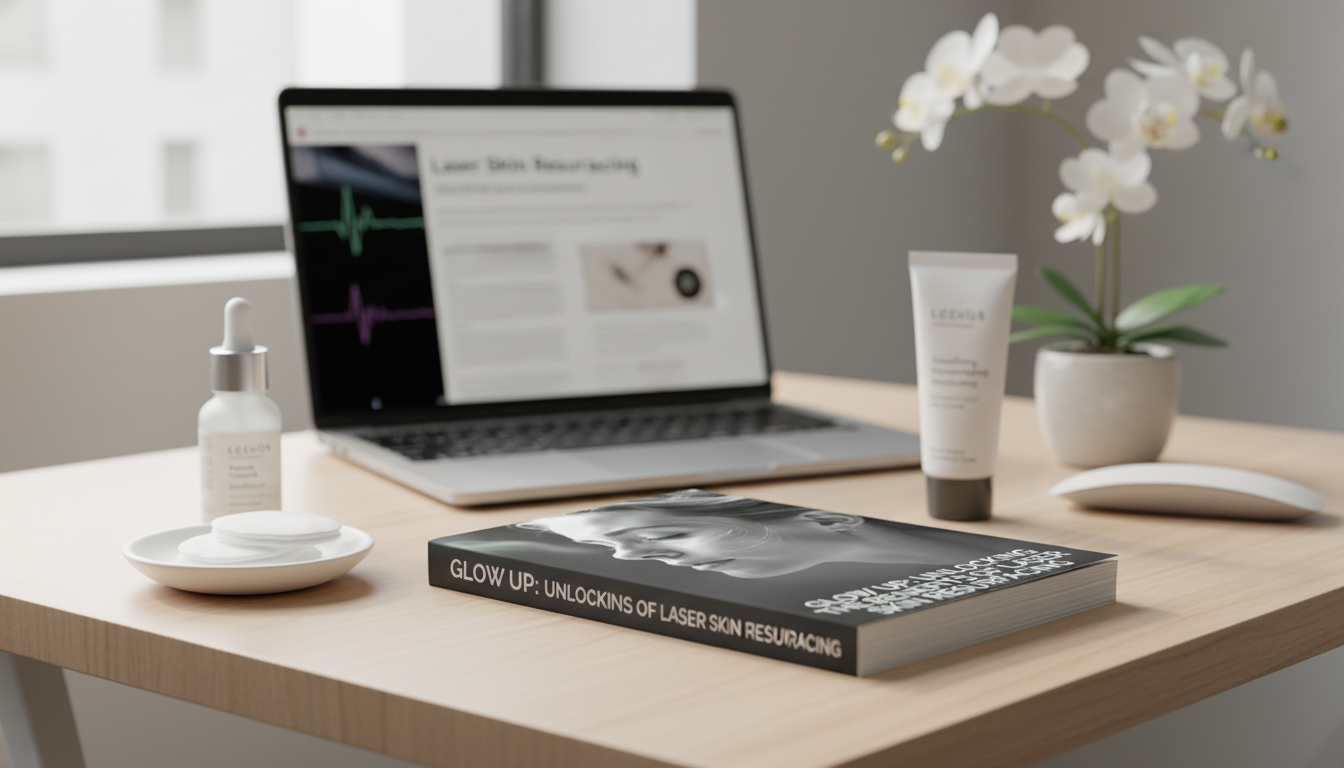
Laser skin resurfacing can soften fine lines, improve uneven tone, and refine texture—but results depend heavily on choosing the right type of laser and preparing correctly. This guide breaks down how resurfacing works, who benefits most, what to do before and after treatment, and how to set realistic expectations for downtime and outcomes. For more guidance, see [PDF] The Science Book – Tensai STEM Academy.
Laser resurfacing uses focused light energy to remove or heat targeted layers of skin. That controlled “injury” signals your skin to renew itself and remodel collagen, which is why improvements can continue for weeks after the visible peeling or redness calms down. For further reading, see [PDF] Dr Denese S Secrets For Ageless Skin Younger Skin.
For a clear, step-by-step prep plan (including what to stop, what to buy, and how to map downtime), see Glow Up: Unlocking the Benefits of Laser Skin Resurfacing (digital guide).
Most devices fall into three buckets, but the category label is only half the story—device choice, settings, and provider experience strongly influence results and risk.
| Approach | Best for | Downtime range | Typical considerations |
|---|---|---|---|
| Ablative (e.g., CO₂/Er:YAG) | Deep wrinkles, significant texture change, some scars | About 7–14+ days depending on depth | Higher redness/swelling risk; strict aftercare and sun avoidance |
| Non‑ablative | Mild lines, tone issues, early texture concerns | About 0–5 days | Usually needs a series; less dramatic per session |
| Fractional (ablative or non‑ablative) | Scars, pores, mixed texture/tone issues | About 3–10 days | Often a balance of results and recovery; multiple sessions may be advised |
Ablative lasers remove thin layers of skin, which can deliver more noticeable change in wrinkles and texture, but they usually come with more downtime. Non‑ablative lasers heat deeper layers without removing the surface, often meaning less peeling and a faster return to normal routines—though you may need multiple sessions. Fractional technology treats microscopic columns of skin and leaves surrounding tissue intact, helping speed healing while still improving tone and texture.
Laser resurfacing can be a strong option for photoaging (sun spots, roughness), fine lines, and acne scarring. The most important determinant of “good candidate” is not just your concern—it’s how your skin tends to react.
For a medically reviewed overview of benefits and risks, see the American Academy of Dermatology Association’s laser resurfacing guide.
Preparation is where many outcomes are won: reducing irritation, preventing pigment issues, and making aftercare easier to follow when your skin feels tender.
Comfort measures vary by laser depth. Many treatments use topical numbing cream; deeper resurfacing may involve local anesthesia and cooling techniques. During treatment, sensations can range from warmth and a “rubber band snap” to deeper heat depending on settings and the area treated.
Dry indoor air can make tightness feel worse during recovery. A small bedside humidifier can help maintain comfort in low-humidity environments, such as the Mini USB Air Humidifier with Aromatherapy & LED Light.
If you’re interested in a structured approach to de-puffing once you’re cleared, Smooth Mornings Start with Massage (digital guide) offers a step-by-step technique roadmap designed for a calm routine.
Healing depends on the type and depth: non-ablative treatments often have 0–5 days of noticeable downtime, fractional resurfacing commonly takes about 3–10 days, and ablative resurfacing can take 7–14+ days. “Social downtime” usually means when redness, swelling, or peeling is visible enough to affect daily plans, even though mild redness can linger longer. Always follow your provider’s specific timeline and aftercare instructions.
Yes—fractional resurfacing is commonly used for scars and texture because it stimulates collagen remodeling while leaving surrounding skin intact for faster healing. Multiple sessions are often needed, and improvements tend to build gradually over several weeks as collagen develops.
Before treatment, avoid tanning and disclose all medications and past procedures; your clinician may also recommend cold sore prevention if you have a history. Before and after, stop irritating actives like retinoids and exfoliating acids only as instructed, and avoid picking or harsh exfoliation. After treatment, avoid heat, heavy sweating, and swimming until cleared, and commit to strict sun protection.










Leave a comment