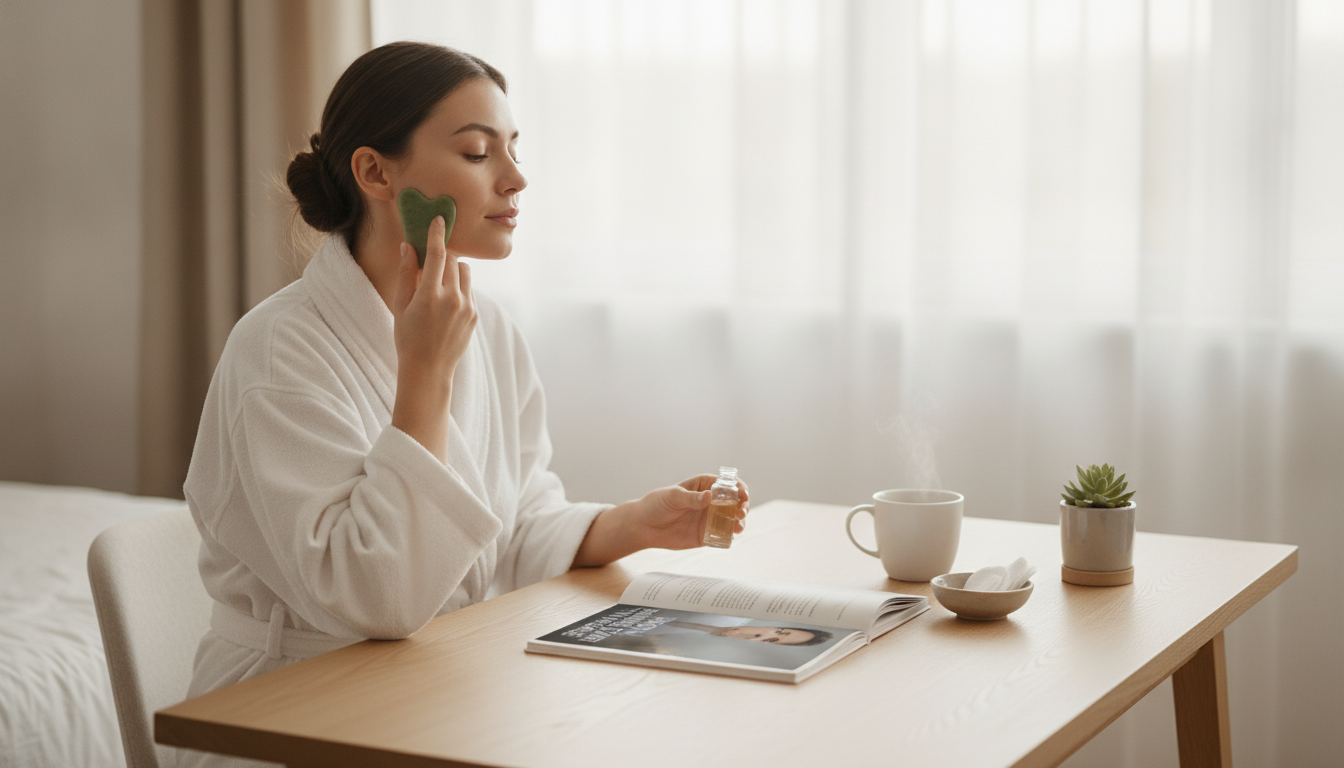
Morning puffiness can come from fluid shifting overnight, salty meals, allergies, or simply not sleeping in the most “face-friendly” position. A short, consistent facial massage can help the face look fresher by supporting comfortable drainage patterns and easing that tight, swollen feeling—especially around the eyes, cheeks, and jawline. The key is gentle pressure, clean slip, and a step-by-step path that moves from center to out, then down toward the neck.
If puffiness appears suddenly, is painful, or comes with shortness of breath, rash, or one-sided swelling that doesn’t improve, skip massage and seek medical guidance. For everyday, mild morning swelling, gentle techniques are often a comfortable add-on to a simple routine.
For general skin basics—like choosing non-irritating products and keeping the barrier comfortable—use the American Academy of Dermatology’s guidance as a reference: American Academy of Dermatology Association: Skin care basics.
Think of this routine as “center to out, then down.” Broad, light strokes help the skin look smoother without triggering redness. If you’re curious about the general concept of lymphatic drainage massage, this overview offers helpful context: Cleveland Clinic: Lymphatic Drainage Massage.
With flat fingers, sweep gently from behind the ears down the sides of the neck toward the collarbone. Repeat 5–8 times per side.
Place fingertips above the collarbone and press very lightly, holding for 2–3 breaths. This sets a downward direction for subsequent strokes.
Starting at the center of the chin, glide along the jaw toward the ear. Repeat slowly 5–8 times; then do small, gentle circles at the jaw hinge if it feels tight.
From the sides of the nose, sweep outward across the cheekbones toward the temples. Keep the motion broad and light to avoid pulling.
Using ring fingers, tap or glide from the inner corner outward along the orbital bone (not directly on the lash line). Repeat 5–10 gentle passes.
Sweep from the center of the forehead outward to the temples; then move from brows up to the hairline. Repeat 5–8 times.
Return to the temples and glide down the neck to the collarbone again, 5–8 times.
| Area | Direction | Time |
|---|---|---|
| Neck | Behind ears → down to collarbone | 30–45 sec |
| Jawline | Chin → ear | 45–60 sec |
| Cheeks | Nose area → temples | 45–60 sec |
| Under-eye | Inner corner → outer corner (orbital bone) | 30–45 sec |
| Forehead | Center → temples; brows → hairline | 45–60 sec |
| Finish | Temples → down neck to collarbone | 30 sec |
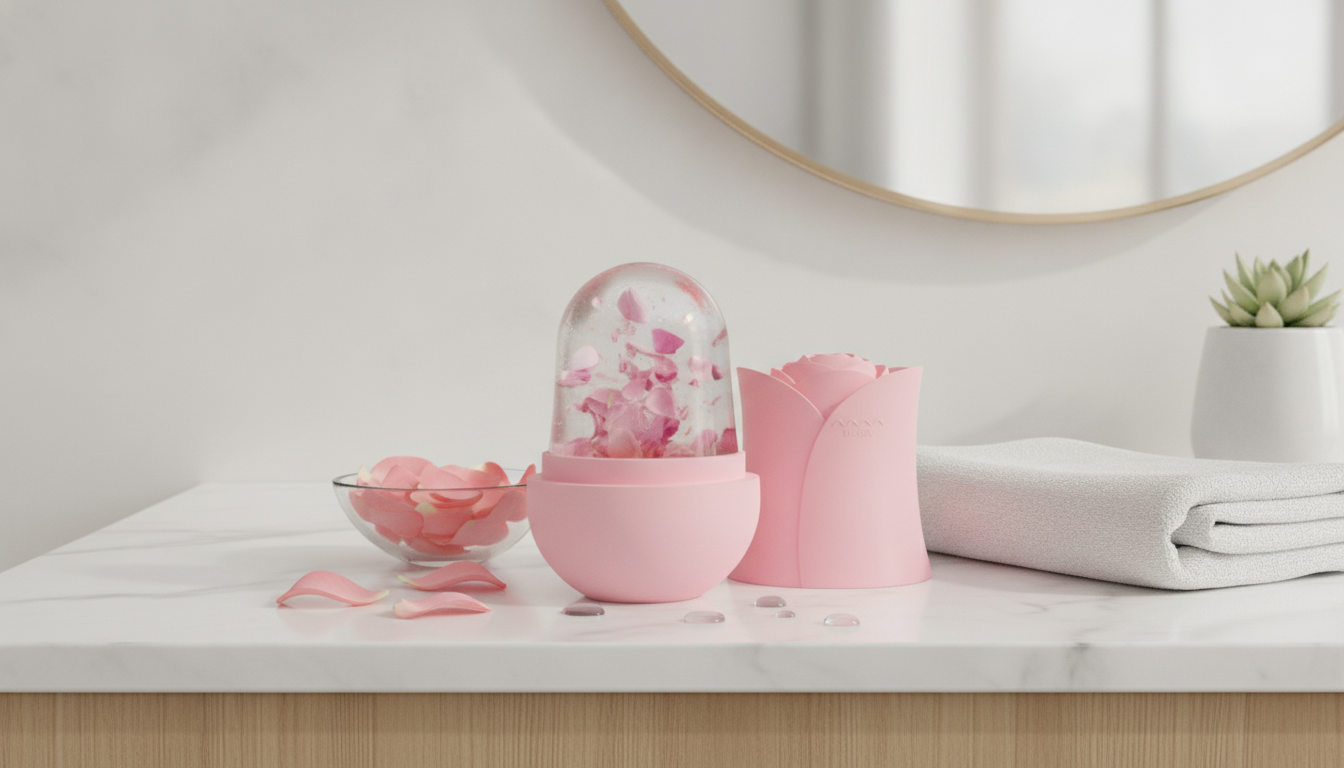
If using a tool (optional): Keep it clean, use even lighter pressure than hands, and follow the same pathway: center-to-out, then down the neck.
For a deeper look at why under-eye puffiness happens (and when it’s more than just morning fluid), this medical overview is a useful read: Mayo Clinic: Bags under eyes.
Daily or a few times per week works well for most people, as long as pressure stays gentle. Consistency matters more than long sessions, so aim for 3–7 minutes when you can stick with it.
Facial massage can help with temporary, fluid-related morning puffiness around the eyes. It won’t change structural under-eye bags that are more related to anatomy, skin laxity, or fat pads.
Avoid massage over inflamed acne, rashes, sunburn, infections, or broken skin, and skip it after recent procedures unless your clinician says it’s okay. If swelling is sudden, severe, painful, or unexplained, get medical advice.











Leave a comment