Smart Makeup Tips for Oily Skin: Shine-Free Perfection That Lasts
Oily skin can turn a fresh face into unwanted shine within hours—especially around the T-zone. The right prep, product textures, and touch-up strategy can keep makeup looking smooth, even, and comfortable from morning to night. Use the routine below to control oil without over-powdering or caking, and learn quick fixes for common issues like foundation breakdown, patchy concealer, and creasing.
Why oily skin makes makeup slip and separate
When makeup “melts,” it’s usually not one product’s fault—it’s the way oil, heat, and layering interact on the skin.
- Sebum thins your base: Natural oils mix with pigments and emollients, loosening foundation so it shifts and separates.
- Stripping can backfire: Over-cleansing or harsh toners may trigger rebound oil, making midday shine worse. The American Academy of Dermatology recommends gentle care that doesn’t leave skin feeling tight.
- Oiliness and dehydration can coexist: Flaky patches plus shine often create uneven texture and “skipping” during application. A healthy skin barrier helps makeup wear more evenly (see overview via NCBI).
- Environment matters: Heat, humidity, and frequent face-touching accelerate breakdown around the nose, chin, and forehead.
Pre-makeup skin prep that reduces shine (without stripping)
Think of prep as oil control that still respects your barrier. When skin feels balanced, makeup grips better and needs fewer touch-ups.
- Cleanse gently: Choose a low-foam cleanser that removes sunscreen and oil without squeaky-tight skin.
- Hydrate lightly: A gel-cream moisturizer (thin layer) can reduce patchiness and help base products blend without grabbing.
- Targeted priming: Use mattifying primer only where you shine (often the T-zone) instead of coating the whole face.
- Set skincare: Give moisturizer and SPF 5–10 minutes to settle before makeup to reduce pilling and slipping.
- Blot before base: If you’re already shiny, press blotting paper on the T-zone before foundation.
Prep checklist for a smoother base
| Step |
What to use |
Where to apply |
Common mistake to avoid |
| Cleanse |
Gentle cleanser |
Whole face |
Over-scrubbing or using hot water |
| Moisturize |
Light gel-cream |
Whole face (thin layer) |
Skipping hydration and over-powdering later |
| SPF |
Oil-control or fluid sunscreen |
Whole face + neck |
Applying too thick; not waiting for dry-down |
| Prime |
Mattifying primer |
T-zone only |
Priming dry areas and creating texture |
| Blot |
Blotting paper |
Forehead/nose/chin |
Rubbing (can lift skincare) |
Choosing base products that stay put on oily skin
- Go thinner for longer wear: Lightweight liquids often outlast thick, creamy bases because they don’t sit as heavily on top of oil.
- Pick a soft-matte direction: Natural-matte or soft-matte finishes control shine without looking flat in daylight.
- Use claims as a starting point: “Oil-free” and “non-comedogenic” can be helpful, but patch test for comfort and wear. For acne-prone skin, the AAD’s acne skincare tips emphasize gentle routines and avoiding irritation triggers.
- Conceal strategically: Apply concealer only where needed; too much product breaks down faster and creases more.
- Creams can still work: Cream blush/bronzer can look fresh on oily skin if you apply in thin layers and set intentionally.
Layering technique for shine control (thin layers, strong set)
The goal is a flexible base that’s anchored where you get oily—without turning the whole face into powder.
- Build coverage in sheer passes: Use a damp sponge or small brush and add product only where redness or discoloration shows.
- Press, don’t sweep: Pressing helps foundation fuse with skin and minimizes streaks over oily areas.
- Spot-set first: Tap setting powder onto the sides of the nose, center forehead, and chin before lightly setting anywhere else.
- Try a minimal “powder sandwich”: If your T-zone eats foundation, dust a whisper of powder before foundation just in that area—then apply a thin base on top.
- Finish with setting spray: Mist, let it dry, then gently press with a sponge to smooth any powdery edges.
Touch-ups that don’t cake: a midday rescue plan
A good touch-up is more subtraction than addition. Remove oil first, then replace only what moved.
Common oily-skin makeup problems and quick fixes
A simple daily routine for shine-free comfort
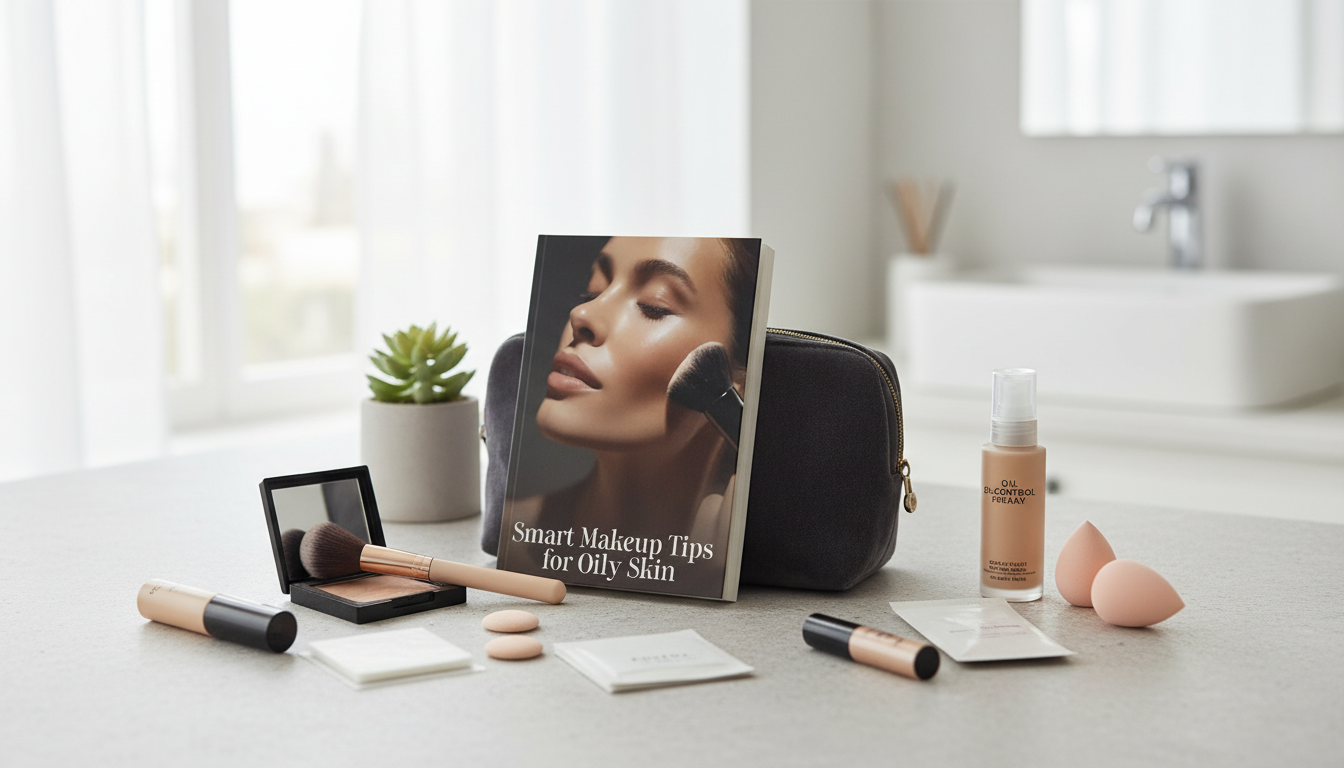
Digital guide for oily-skin makeup: quick reference for long-wear results
FAQ
Should oily skin skip moisturizer before makeup?
No—skipping moisturizer can increase dehydration and trigger more oiliness later. Use a lightweight gel-cream, apply a thin layer, and give it several minutes to settle before primer or foundation.
How can makeup stay matte without looking cakey?
Use thin layers, blot before you powder, and spot-set with a finely milled powder using pressing motions. Finish with setting spray so the base looks smoother instead of dusty.
What is the best way to touch up foundation on oily skin?
Blot first, then tap a tiny amount of base only where it broke down (usually around the nose or chin), and press with a puff. Set lightly in that same area rather than adding product across the whole face.
Recommended for you










Leave a comment