Retinol Safety Guide: Benefits, Risks, and a Calm Start for Sensitive Skin
Retinol can smooth texture, brighten tone, and support firmer-looking skin—but it also has a reputation for irritation when started too fast or paired with the wrong products. This guide breaks down what retinol does, common mistakes that trigger redness or peeling, and a simple plan to introduce it with fewer surprises.
Why retinol earns its “skincare superhero” status
Retinol is widely used because it supports visible skin improvements over time without requiring an in-office procedure. When used consistently (and comfortably), it can be a steady, long-game ingredient.
- Supports faster-looking skin renewal, which can soften the look of uneven texture and dullness
- Helps improve the appearance of fine lines over time with consistent use
- Can reduce the look of clogged pores and post-breakout marks when used correctly
- Results are gradual; visible changes typically require weeks to months of steady, tolerable use
Retinol basics: what it is (and how it differs from stronger retinoids)
Retinol is a vitamin A derivative that needs to be converted within the skin to become fully active. That conversion step is one reason many people find retinol gentler than prescription-strength options.
- Retinol is a vitamin A derivative that must be converted in skin to its active form; this can make it gentler than prescription retinoids for many people
- Product strength is not just the percentage—formula type, delivery system, and your routine determine tolerance
- “Retinoid” is the umbrella term (retinol, retinaldehyde/retinal, tretinoin, adapalene, etc.); potency and irritation potential can vary widely
- If a routine already includes a strong retinoid (like prescription tretinoin), adding retinol on top often increases irritation without extra benefit
Common risks of retinol misuse
Most retinol problems aren’t “retinol allergies”—they’re predictable irritation patterns from too much, too soon, or too many actives layered together.
- Irritation spiral: burning, stinging, tightness, and persistent redness from using too much, too often, too soon
- Barrier damage: over-exfoliation leads to flaky patches, sensitivity, and breakouts that look like “purging” but are actually irritation
- Sun sensitivity: retinoids can increase susceptibility to sunburn; daily sunscreen becomes non-negotiable
- Eye and lip irritation: migration into delicate areas can cause dryness and dermatitis-like symptoms
- Pregnancy and breastfeeding caution: many clinicians advise avoiding retinoids during pregnancy; confirm with a healthcare professional
For additional clinical guidance, see the American Academy of Dermatology Association’s retinoid overview and DermNet’s summary of topical retinoids, benefits, and adverse effects.
Signs to slow down (and signs it might be working)
- Slow down if: stinging lasts more than a few minutes, redness persists into the next day, cracking or raw patches appear, or acne worsens with burning/tenderness
- Normal early adjustment can include mild dryness or light flaking, especially around the mouth and nose
- A calm routine should feel comfortable most days; long-term progress comes from consistency, not intensity
- If severe swelling, hives, or blistering occurs, stop use and seek medical advice—this may signal an allergy or significant irritation
A beginner-friendly retinol schedule that prioritizes comfort
A “calm start” is usually the fastest way to progress because it prevents stop-and-start cycles. Keep the dose small, the schedule predictable, and the rest of the routine soothing.
- Start low and slow: 1–2 nights per week for 2–4 weeks, then increase only if skin is calm
- Use a pea-sized amount for the entire face; more product rarely equals better results
- Apply to completely dry skin after cleansing to reduce irritation risk
- Consider the “moisturizer sandwich” (moisturizer → retinol → moisturizer) when prone to dryness
- Avoid stacking with other potential irritants on the same night until tolerance is established
Simple retinol ramp-up plan
| Week range |
Nights per week |
How to apply |
What to watch for |
| Weeks 1–2 |
1–2 |
Cleanse → wait until dry → pea-size retinol → moisturizer |
Mild dryness only; no persistent burning |
| Weeks 3–4 |
2–3 |
Add “sandwich” if needed; keep other actives off retinol nights |
Redness should resolve by morning |
| Weeks 5–8 |
3–5 |
Increase frequency only if comfortable; keep dose the same |
If peeling or stinging increases, drop back a step |
| Maintenance |
3–7 |
Aim for the highest frequency your skin tolerates comfortably |
Stable barrier, minimal flaking |
Pairing retinol with other skincare: what plays well and what to separate
Retinol routines tend to succeed when the supporting cast is gentle and boring—in the best way.
If you want a formal set of precautions and usage notes, the Mayo Clinic’s retinol (topical) guidance is a helpful reference.
Sensitive skin, rosacea-prone skin, and deeper skin tones: extra care points
Keep it simple: a checklist for safer retinol use
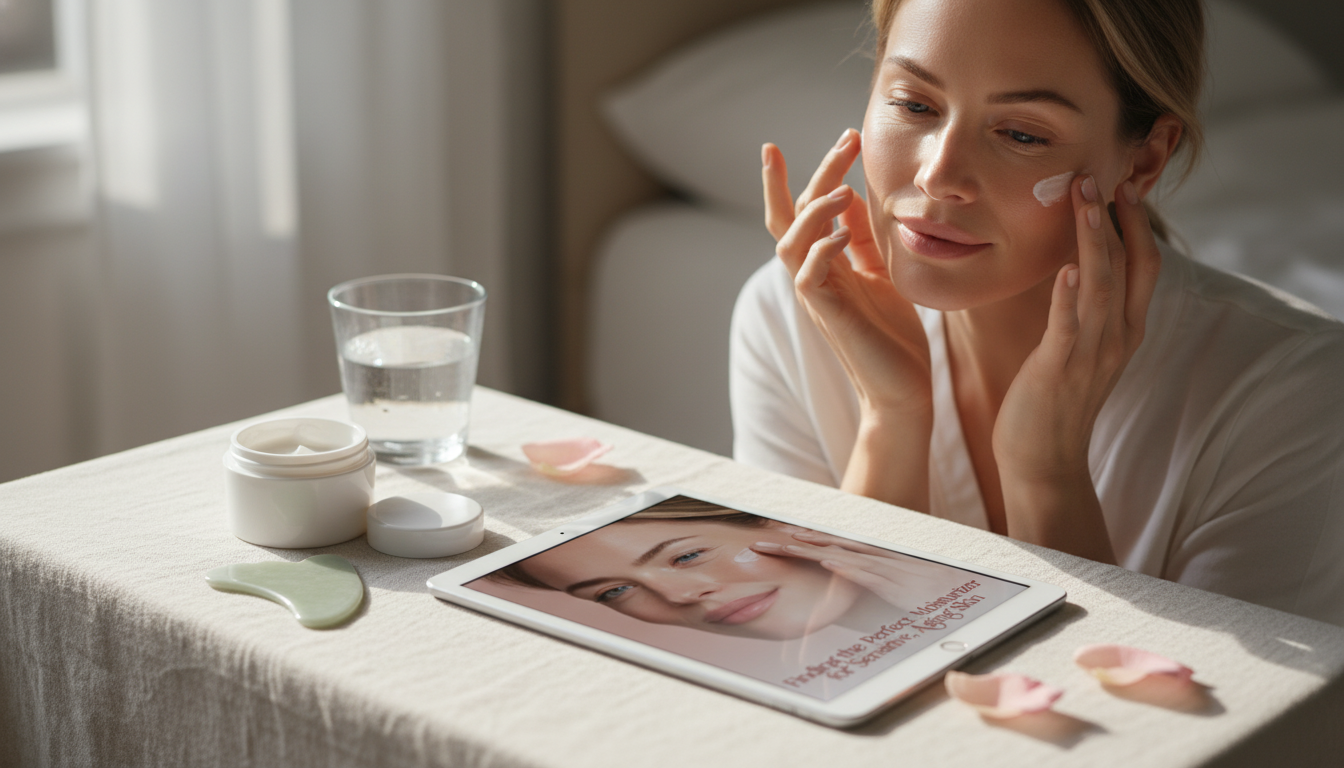
A ready-to-follow digital guide for retinol safety
FAQ
How often should retinol be used when starting out?
Start with 1–2 nights per week for a few weeks, using only a pea-sized amount for the whole face. Increase frequency gradually only if your skin stays comfortable and calm.
Is peeling normal with retinol, or is it a sign to stop?
Mild flaking can be normal early on, especially around the mouth and nose. If you get persistent burning, raw patches, swelling, or redness that lasts into the next day, reduce frequency or pause and focus on moisturizing until the barrier feels normal again.
Can retinol be used with vitamin C or exfoliating acids?
Many routines do best when these are separated at first—vitamin C in the morning and retinol at night, with exfoliating acids on non-retinol nights. Once skin is fully tolerant, some people can combine actives, but comfort and barrier health should stay the priority.
Recommended for you












Leave a comment