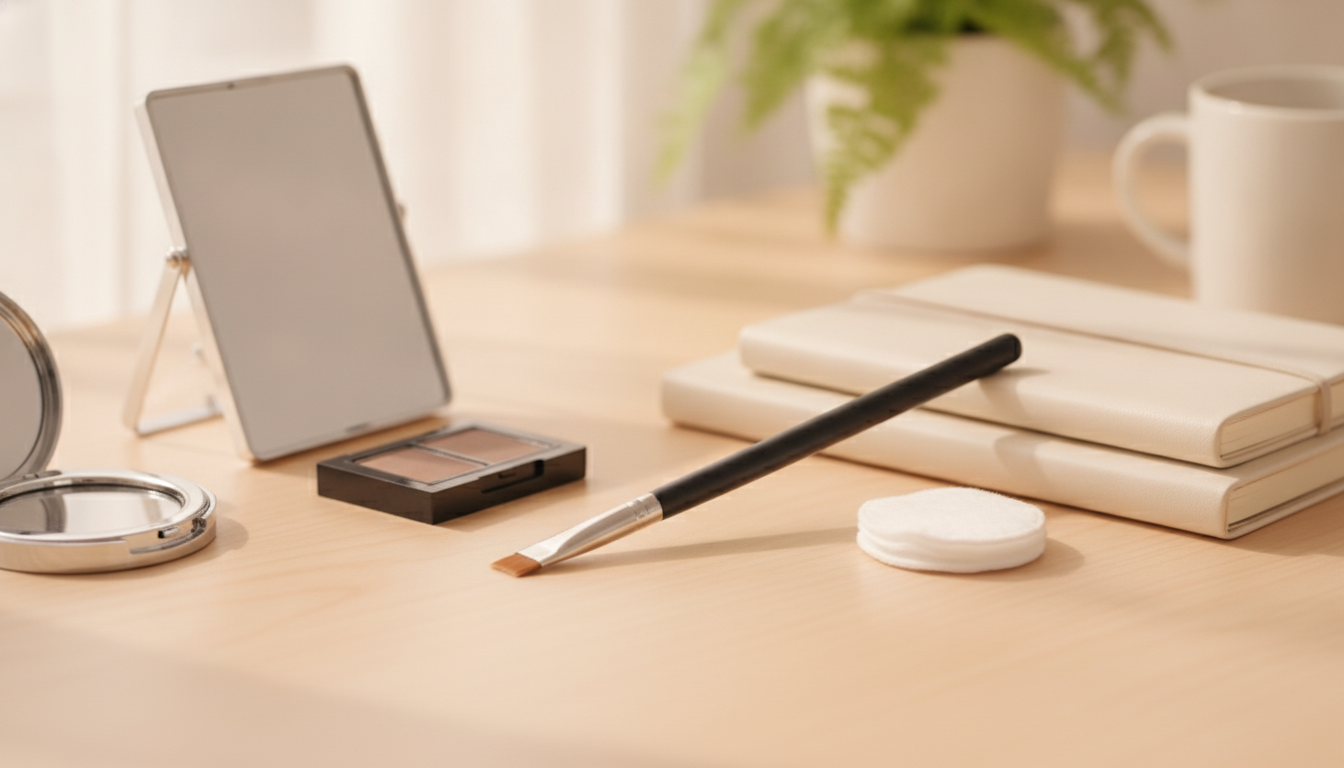
A flawless concealer finish often comes down to the tool. An ultra-thin brush makes it easier to reach tight areas, place product exactly where needed, and keep coverage smooth without looking heavy. This guide breaks down what an ultra-thin concealer brush does best, how to use it with different formulas, and how to keep it performing like new—especially for quick touch-ups and travel-friendly makeup routines.
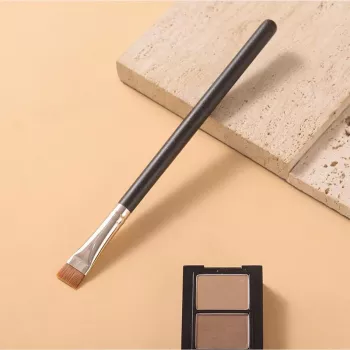
An ultra-thin concealer brush is built for detail—not broad blending. The ultra-slim head helps place concealer precisely on small zones like inner corners, around the nostrils, and along blemish edges. Because the profile is thin, it supports controlled strokes for spot coverage instead of spreading product too widely, which can make makeup look heavier than necessary.
These brushes are also popular for multitasking: cleaning up lip edges, sharpening eyeliner wings with a touch of concealer, and brightening under-eye corners with pinpoint placement. A lightweight, compact design makes it easy to keep in a small pouch for midday fixes without carrying a full brush roll.
When you’re targeting discoloration rather than “painting” skin, precision tools shine. Under eyes, an ultra-thin brush helps you apply minimal product close to the tear trough and blend outward—key for reducing creasing from excess product. For blemishes, it lets you tap concealer onto the center and feather only the edges so coverage stays concentrated and texture doesn’t look cakey.
It’s also ideal for redness around the nose, where product can easily drift onto the cheek and create a noticeable “halo.” Along the lip line, the small brush head helps refine lipstick edges for a crisp shape without disrupting color.
| Area | How to apply with an ultra-thin brush | Common mistake to avoid |
|---|---|---|
| Under eyes | Dot a thin line near the inner corner, then softly sweep outward in short strokes | Applying a thick layer across the entire under-eye |
| Blemishes | Press product onto the spot; lightly blur only the perimeter | Rubbing back and forth, which removes coverage |
| Nose corners | Angle the brush into the crease and tap to place product precisely | Over-blending into the cheek, creating a makeup “halo” |
| Lip edges | Trace just outside the lip line with a tiny amount, then feather outward | Using too much concealer and dulling lipstick color |
Different formulas behave differently on a thin brush, so the best results come from adjusting your pickup and stroke style.
Ultra-precise application looks most natural when the surrounding skin stays relatively product-free.
If you’re concealing active breakouts, keeping tools clean matters as much as technique. The American Academy of Dermatology Association (AAD) acne care tips emphasize gentle routines and avoiding irritants—clean brushes help reduce unnecessary buildup on acne-prone skin.
For added clarity on how cosmetics are categorized and regulated, the FDA’s overview of cosmetics vs. drugs is a helpful reference when shopping and using products responsibly.
If your goal is controlled placement without over-applying, the Ultra-Thin Concealer Brush for Precise Makeup Application – Lightweight & Compact is designed for small-area coverage and tidy blending where accuracy matters most. It’s a practical choice for under-eye targeting, blemish work, and sharpening makeup edges without adding bulk to your bag.
To keep your essentials organized for travel and everyday carry, pair it with the Red Rose Floral Women’s Cosmetic Bag—an easy way to store a concealer, a powder, and a precision brush in one compact spot.
Yes—use a very small amount, apply near the inner corner, and blend outward with light strokes. Keep layers thin and set only where creasing occurs to avoid emphasizing dryness or fine lines.
Aim for weekly cleaning, and wash more often if you use it on blemishes or have acne-prone skin. Between washes, quick-sanitize and let it dry completely before the next use.
Often yes for pinpoint coverage because a thin brush places product precisely and keeps coverage concentrated. A sponge can be great for diffusing edges, but it may spread product beyond the spot you’re trying to cover.








Leave a comment