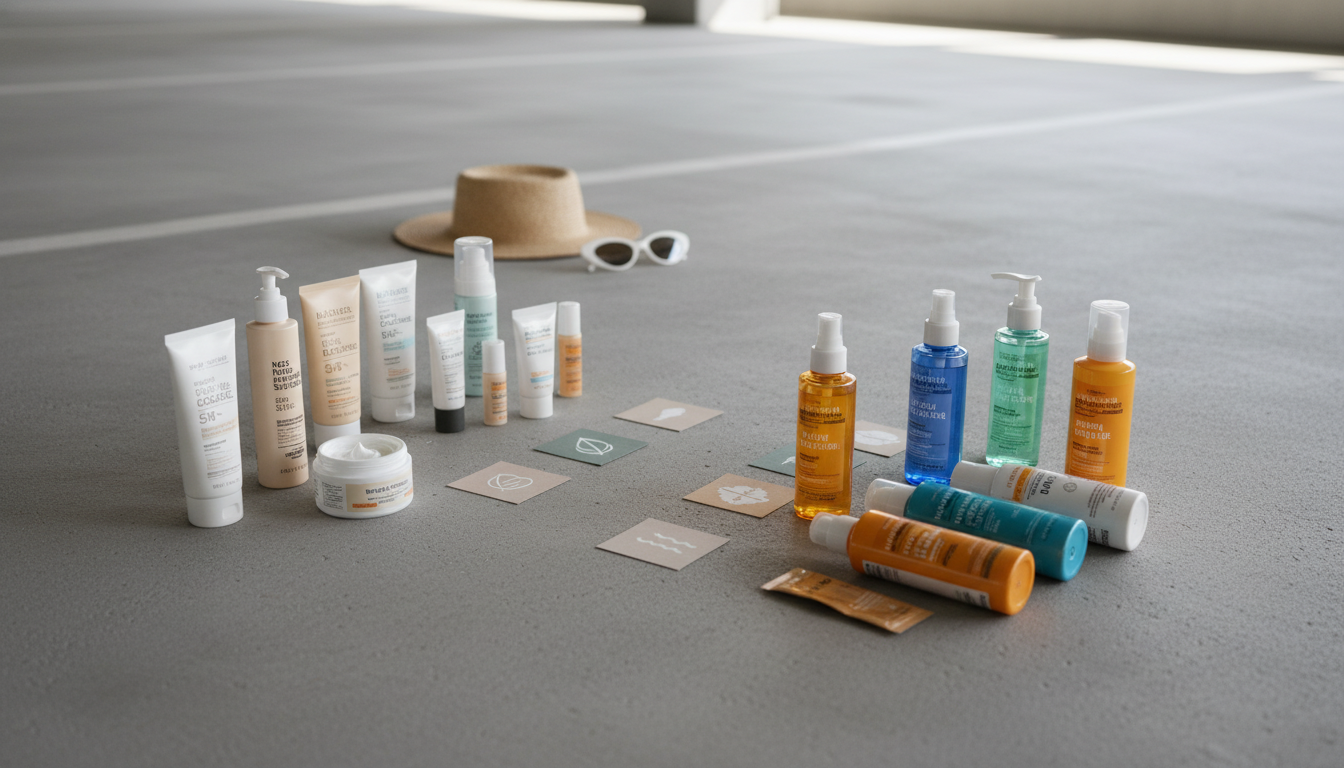
Picking a sunscreen gets easier when you match the formula to how your skin behaves day to day. Start with two non-negotiables: choose broad-spectrum protection (UVA/UVB) and aim for SPF 30 or higher for daily wear. From there, the “right” sunscreen is the one you’ll actually apply generously and reapply as needed—without stinging, pilling, or feeling too heavy.
Mineral (zinc oxide/titanium dioxide) tends to be a good fit for sensitive or reactive skin because it’s less likely to sting, especially around the eyes. Chemical sunscreens can feel lighter and more invisible on deeper skin tones, but some formulas may irritate very sensitive skin. If you’ve had reactions before, patch test on the jawline for a few days.
Oily or acne-prone: Look for lightweight gel, fluid, or “oil-free” lotions, ideally labeled non-comedogenic. A satin or matte finish can help reduce midday shine.
Dry or dehydrated: Choose a creamy lotion with moisturizing helpers like glycerin, squalane, or ceramides. These can replace a separate daytime moisturizer if you want fewer layers.
Combination: A light lotion usually works best; apply a bit more on dry areas (cheeks) and less on oilier zones (T-zone).
Sensitive or rosacea-prone: Favor mineral formulas and fragrance-free options. Tinted mineral sunscreens can also help neutralize redness with less visible cast.
If white cast is a concern, try a tinted sunscreen or a sheer, well-dispersed fluid. For makeup wearers, choose a formula that sets without tackiness and doesn’t pill when layered over skincare. Give each layer 30–60 seconds to settle before applying the next.
Use enough product (a generous layer for face and neck) and reapply when outdoors for extended periods. For a deeper breakdown of SPF levels, finishes, and daily picks, visit this sunscreen guide.
SPF 50 filters a bit more UVB than SPF 30, but both work well when applied generously. If you tend to under-apply or spend more time outside, SPF 50 can add a helpful margin.











Leave a comment