
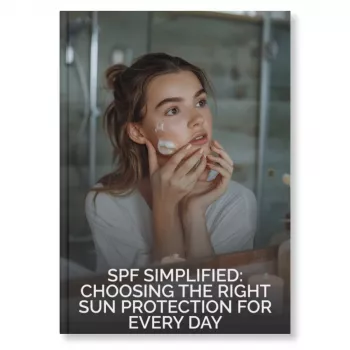
For most people, a broad-spectrum SPF 30 is the best everyday baseline for the face. It provides strong protection against UVB rays (sunburn) while also helping guard against UVA rays (premature aging and uneven tone) when labeled “broad-spectrum.” If you spend extended time outdoors, live at high altitude, or are prone to dark spots (hyperpigmentation), stepping up to SPF 50 can offer a bit more buffer—especially when reapplication is not perfect.
SPF 30 blocks about 97% of UVB rays, while SPF 50 blocks about 98%. The difference sounds small, but it can matter during long days outside or for sensitive, easily pigmented skin. For typical commuting, errands, and indoor days near windows, SPF 30 is usually sufficient if applied correctly.
Daily facial sunscreen should be broad-spectrum and comfortable enough that you’ll actually use it every morning. If your skin is oily or acne-prone, look for lightweight, non-comedogenic options. If your skin is dry or easily irritated, a hydrating formula can help prevent tightness and flaking. Tinted sunscreens can be helpful for visibly blending in and may offer added protection against visible light for those dealing with discoloration.
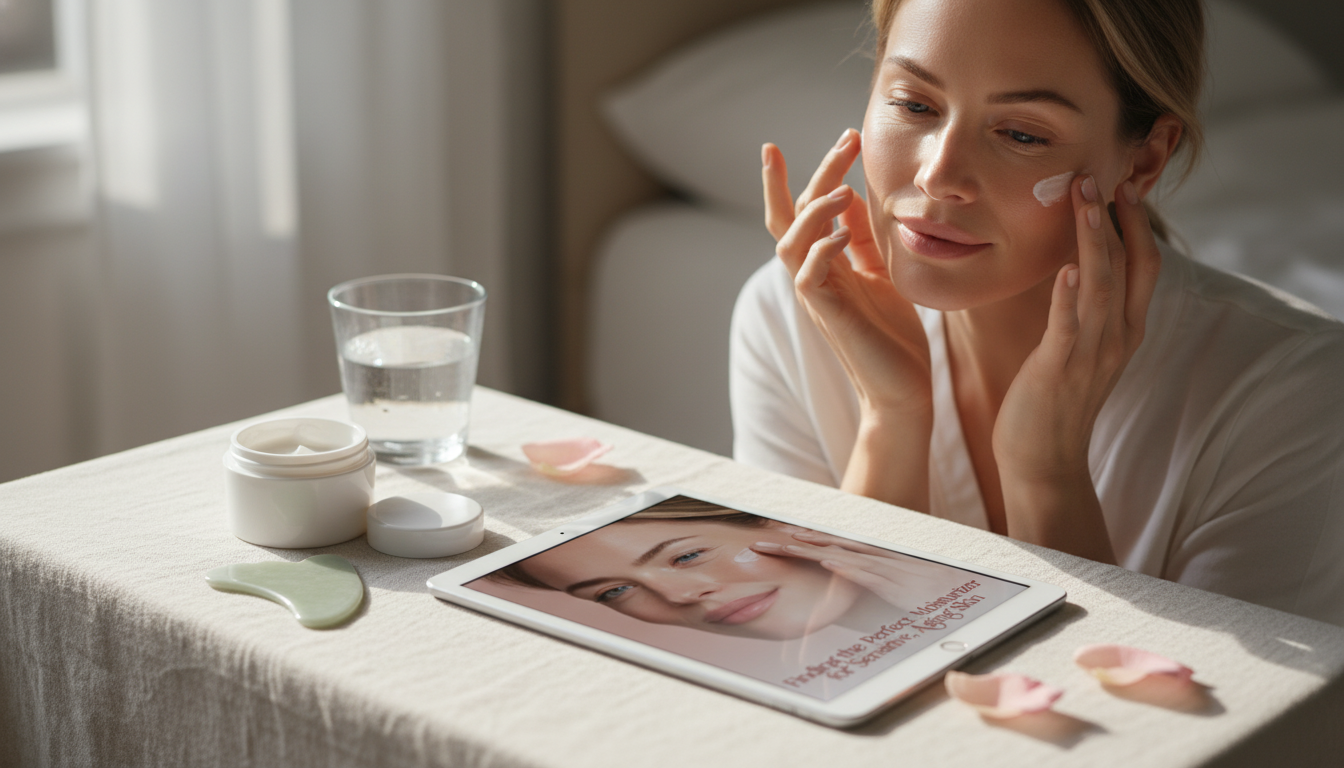
Most people underapply. Use about two finger lengths of sunscreen (or roughly 1/4 teaspoon) for the face and neck. Apply it as the last step of skincare and before makeup, giving it a minute to set.
If you’re outside, sweating, swimming, or in direct sun for more than two hours, reapply. For indoor-heavy days, a single morning application may be enough, but reapply if you’re near bright windows or you step out for lunch or errands.
For more detailed guidance on choosing the right daily face SPF and how to use it effectively, visit the main article.
Often yes, especially if you sit near windows or get incidental sun exposure through commuting or errands. A morning layer of broad-spectrum SPF 30 is a practical daily habit, and you can reapply if you’ll be in direct light for extended periods.










Leave a comment