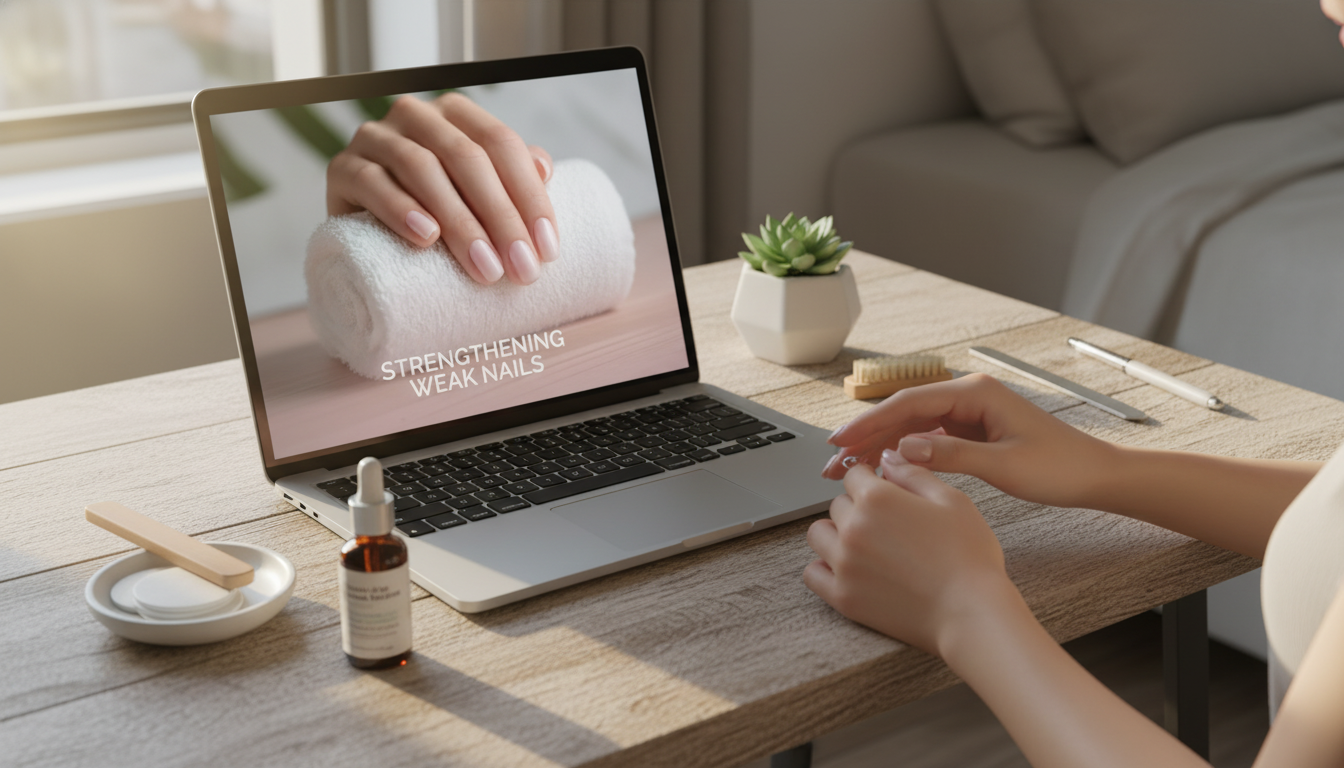
Weak, peeling, or splitting nails are often the result of repeated wet-dry cycles, harsh removers, over-filing, or nutrient gaps. A steady routine that protects the nail plate, supports healthy regrowth, and removes common triggers can make nails feel noticeably stronger over the next few weeks.
“Weak nails” can look different from person to person. Brittleness may show up as peeling layers, splits at the edges, nails that bend easily, or surface ridges that catch and tear. These changes are often more about ongoing wear-and-tear than a single “bad nail day.”
Common triggers include frequent handwashing or cleaning without gloves, acetone use, picking at gel or polish, aggressive buffing, and dry indoor air. Nails are made of keratin and don’t “heal” the way skin does—so progress comes from protecting new growth and preventing fresh damage while the healthier nail grows out.
If nail weakness is sudden, severe, or paired with pain, discoloration, nail lifting, or swelling, consider a medical check for issues such as infection, thyroid imbalance, anemia, or psoriasis. For everyday nail-care best practices, the American Academy of Dermatology Association shares practical guidance.
Think of the next two weeks as “damage control.” The goal is to stop the small cracks and micro-tears that turn into peeling and splits.
Consistency beats complexity. A short routine done daily can outperform a cabinet full of products used occasionally.
If polish works for your lifestyle, a base coat can reduce water absorption and micro-splitting. Refresh every few days, and remove gently. Also, avoid using nails as tools (opening cans, scraping labels, popping tabs); those tiny impacts often start the cracks that later become splits.
Also prioritize nutrients commonly tied to nail health: iron, zinc, and omega-3 fats. Practical options include leafy greens, legumes, lean meats, pumpkin seeds, fatty fish, walnuts, and fortified foods. If brittle nails are persistent, it may help to learn more about common causes; the Cleveland Clinic overview is a useful starting point.
Biotin may help some people with brittle nails, but results vary. If you’re pregnant, nursing, taking medications, or managing a condition, discuss supplements with a clinician first. The NIH Office of Dietary Supplements summarizes what’s known about biotin and safety considerations.
| Trigger | What it can do | Try this instead |
|---|---|---|
| Acetone and frequent polish removal | Dries the nail plate and surrounding skin | Use acetone sparingly, limit removals, and oil + moisturize immediately after |
| Aggressive buffing | Thins the nail and increases peeling | Lightly smooth only if needed; focus on hydration and protective coatings |
| Long water exposure | Causes repeated swelling and shrinking | Wear gloves; moisturize after water contact |
| Picking gel/polish | Lifts layers of the nail plate | Soak off as directed; keep nails shorter during recovery |
| Using nails as tools | Creates cracks that travel into splits | Use fingertips or tools; keep a file handy for quick fixes |
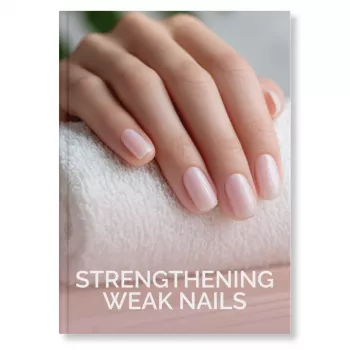
If you want a checklist-style routine with day-by-day guidance and troubleshooting, the Strengthening Weak Nails Guide (Digital eBook) lays out a clear, repeatable plan designed for nail care, growth, and repair.
For dry indoor air (a common culprit behind brittle nails and rough cuticles), consider adding moisture to your space with the Mini USB Air Humidifier with Aromatherapy & LED Light. And if you’re building a broader self-care routine, the Smooth Mornings Start with Massage (Digital Guide) can pair well with an evening wind-down while your hands are wrapped in oil and cream.
Reduce water and chemical exposure, wear gloves for cleaning, and use consistent cuticle oil plus hand cream after washing. File gently with a fine grit, keep nails shorter during recovery, and consider a protective base coat to limit splitting while new growth comes in.
Peeling is often driven by wet-dry cycles, thinning from buffing, acetone, or picking that lifts layers of the nail plate. Protect nails from prolonged water, minimize removals, oil after every wash, and avoid buffing so the edge can grow out without new tears.
Some help temporarily, but overly rigid formulas can make nails snap instead of flex. If hardeners worsen breakage, switch to hydration-focused care and a flexible base coat, and keep nails shorter until strength improves.










Leave a comment