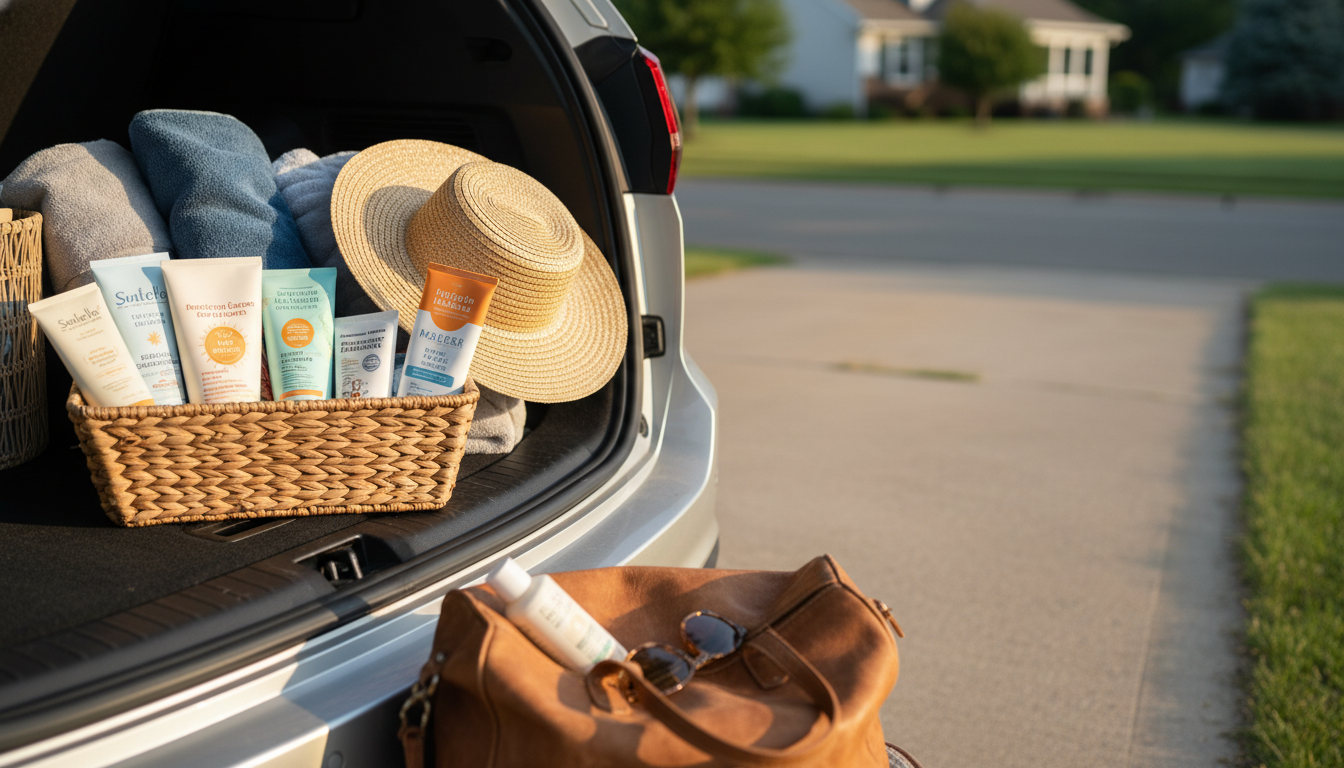
Dry skin needs sun protection that also supports the skin barrier. The best sunscreen for dry skin combines broad-spectrum UV defense with moisturizing ingredients, a comfortable finish, and minimal potential for irritation. A few smart label checks can help you avoid that tight, flaky feeling while still getting reliable protection.
Choose a broad-spectrum sunscreen (UVA/UVB) with SPF 30 or higher for daily use. If you’re outdoors for extended periods, lean toward SPF 50. Reapply every two hours, and sooner after swimming, sweating, or towel-drying—even if the formula feels rich or hydrating.
Dry skin typically does better with cream, lotion, or moisturizing fluid sunscreens rather than drying gels. “Hydrating,” “moisturizing,” or “cream” on the label is a good clue, but the ingredient list matters most. Layering over a moisturizer is fine; many people with dry skin get the smoothest result by applying sunscreen after a gentle moisturizer has absorbed.
Ingredients that help dry skin feel comfortable include hyaluronic acid, glycerin, squalane, ceramides, and panthenol. These support hydration and reduce the chances of rough patches showing through. If your skin is very dry, a formula with added emollients (like shea butter) can help, as long as it doesn’t feel heavy or clogging for your skin type.
If you’re prone to stinging or sensitivity, consider fragrance-free options and avoid high-alcohol formulas that can feel drying. Mineral sunscreens (zinc oxide and titanium dioxide) can be gentler for some people, but may feel more drying unless the base is well-moisturized—so pay attention to the vehicle (cream/lotion vs. matte).
For more ingredient tips and practical buying guidance, visit the complete guide on choosing sunscreen for dry skin.
Yes—moisturizer can help prevent tightness and improve how sunscreen spreads. Let moisturizer absorb for a minute or two, then apply sunscreen generously as the final skincare step before makeup.











Leave a comment