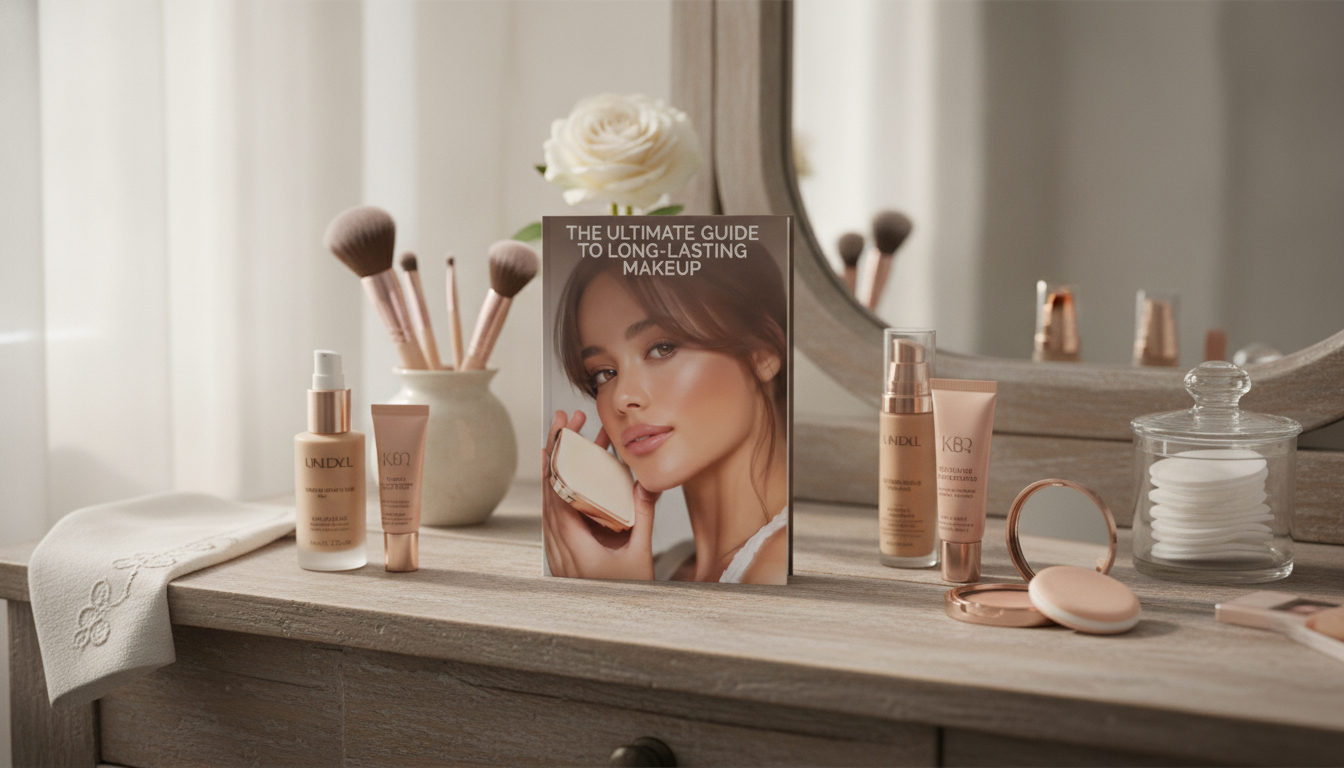
The Ultimate Guide to Long-Lasting Makeup for Flawless, All-Day Wear
Long-lasting makeup is less about piling on product and more about building a smart base, layering in the right order, and locking everything in without caking. The goal is simple: keep foundation, concealer, blush, and eye makeup looking fresh from morning through late night—plus have a few quick fixes ready for shine, creasing, and fading on the go.
What Makes Makeup Fade, Separate, or Slide
When makeup “breaks,” it’s usually a predictable mix of skin chemistry and product layering—not bad technique.
- Oil + heat + friction: Sebum, warm environments, and touching the face break down pigments and binders faster.
- Too much skincare too soon: Heavy creams, facial oils, or sunscreen that hasn’t fully set can cause pilling and patchiness.
- Mismatched formulas: Water-based base products over oily layers (or powder over overly wet foundation) can separate.
- Over-applying: Thick layers crease faster and lift more easily when blotting or reapplying.
- Undertone and oxidation: Some formulas darken as oils interact; the right shade plus smart setting reduces noticeable change.
Prep That Holds: Cleanse, Hydrate, Protect, Wait
Long wear starts before primer. Prep is about “enough” hydration and fully set layers so makeup has something stable to grip.
- Start with clean skin: Remove leftover skincare, sweat, and nighttime oils to prevent slipping.
- Hydrate strategically: Choose a lightweight moisturizer; concentrate on dry areas and keep the T-zone thinner.
- Sunscreen matters: Let SPF fully absorb and set before makeup; gel or matte textures often behave best for daytime wear. (For basics on SPF use, see the U.S. Food & Drug Administration sunscreen guide.)
- Timing tip: Allow each layer (moisturizer, SPF, primer) to settle before the next step to reduce pilling.
- De-puff and smooth: A brief cooling step can help makeup sit flatter, especially under the eyes.
Quick prep checklist by skin type
| Skin type |
Best pre-makeup approach |
Watch out for |
| Oily / combination |
Light gel moisturizer + oil-controlling or gripping primer on T-zone |
Over-moisturizing the center of the face; skip heavy face oils |
| Dry |
Cream moisturizer + hydrating primer; press base products in thin layers |
Too much powder; matte foundations that cling to texture |
| Normal |
Balanced lotion + optional primer only where needed |
Layering too many products “just in case” |
| Sensitive |
Fragrance-free moisturizer + mineral SPF if tolerated; patch-test primers |
Over-exfoliation and new actives right before a long day |
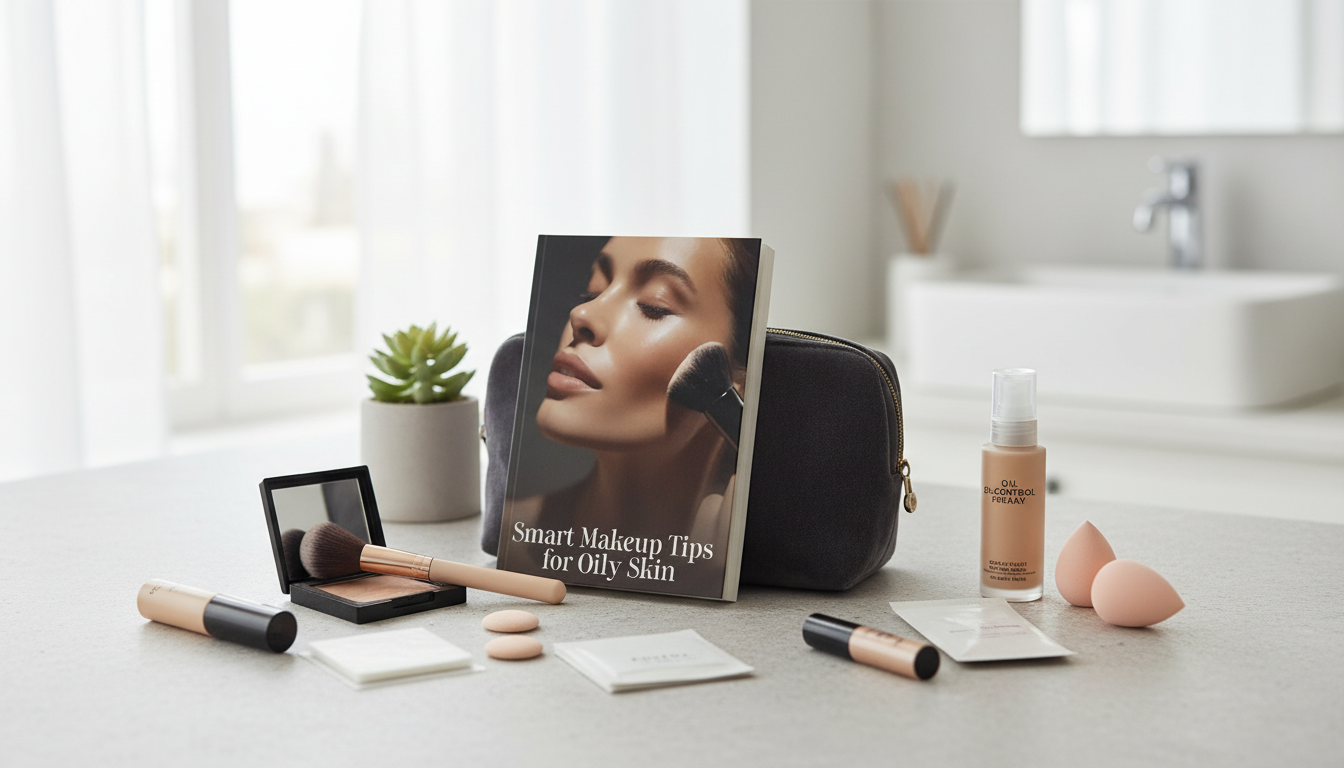
If oil is your main issue, the American Academy of Dermatology Association has practical tips worth following alongside makeup changes: how to control oily skin.
Primers and Base: The Layering Order That Lasts
Think “zone mapping,” not one-size-fits-all. The cheeks, nose, and under-eyes often need different textures.
- Choose primer by problem area: Pore-blurring on cheeks, gripping primer on areas that fade (nose/chin), hydrating primer where you’re dry.
- Apply foundation in thin passes: Build coverage only where needed instead of one thick layer.
- Press, don’t smear: Use a damp sponge or dense brush to press product into the skin for better adherence.
- Let liquids set before powders: Wait 30–60 seconds so powder doesn’t grab and patch.
- Spot-conceal for longevity: Concealer only where necessary reduces creasing and breakdown.
Setting for Real Life: Powder, Spray, and “Sandwiching”
Setting is where long wear gets “locked in,” but the most common mistake is setting everything heavily—then wondering why it looks dry, textured, or cakey by noon.
- Targeted powder: Set under-eyes and the T-zone first; keep powder minimal on drier areas.
- Press powder with a puff: Pressing locks in more than sweeping, especially around the nose and smile lines.
- Spray placement: Mist from a distance and let it dry fully; over-spraying can re-wet layers.
- The longevity sandwich: Light powder → setting spray → final pinpoint powder where you crease or get shiny.
- Avoid the “too matte” trap: Over-matting can crack; a natural finish often wears longer.
Eyes and Lips That Stay Put
Eye and lip makeup last longer when the skin underneath is balanced (not slick, not overly emollient) and layers are set in between.
Touch-Up Kit and Midday Rescue (Without Caking)
Pro Moves for Special Situations: Heat, Humidity, and Long Events
If irritation or a rash pops up after trying a new primer or long-wear formula, it may be contact dermatitis; DermNet has a clear overview: contact dermatitis (irritant and allergic).
A Step-by-Step Routine You Can Follow Tomorrow
Helpful Tools and Guides for Longer Wear
FAQ
Why does my makeup separate around my nose and mouth?
The nose and mouth area tend to be oilier and get more friction from talking, eating, and touching, which breaks makeup apart. Use lighter skincare on the center of the face, add a gripping primer just in those zones, and press in powder with a puff around the nostrils and smile lines.
Is setting spray or powder better for making makeup last all day?
They do different jobs: powder sets creams and controls oil, while setting spray helps fuse layers and adds a flexible film. For most people, a light “sandwich” (targeted powder, then spray, then pinpoint powder) lasts longer than using only one.
How can I touch up without my makeup looking cakey?
Blot first to remove oil, then add only a small amount of powder where you get shiny. If coverage has lifted, tap on a tiny bit of concealer only in those spots and finish with a light mist to make everything look like skin again.
Recommended for you









Leave a comment